If you’re sourcing bare fiber, ultra thin fiber, or
FPV drone bare fiber for modern drone applications, you’ve likely encountered a market unlike anything seen in years. Prices are soaring, lead times are stretching, and the once-stable fiber optic supply chain has been turned upside down.
At the center of this transformation is
G.657.A2 bending insensitive fiber—a specialized single-mode fiber that has become the backbone of both AI data centers and the rapidly expanding FPV drone industry.
What Makes G.657.A2 the Go-To Fiber for FPV Drones?
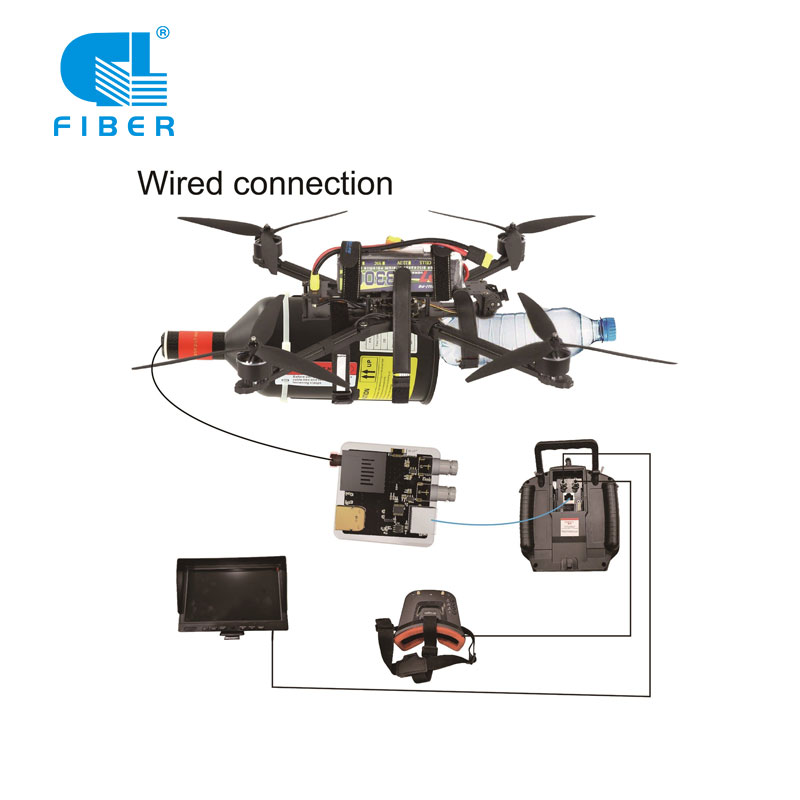
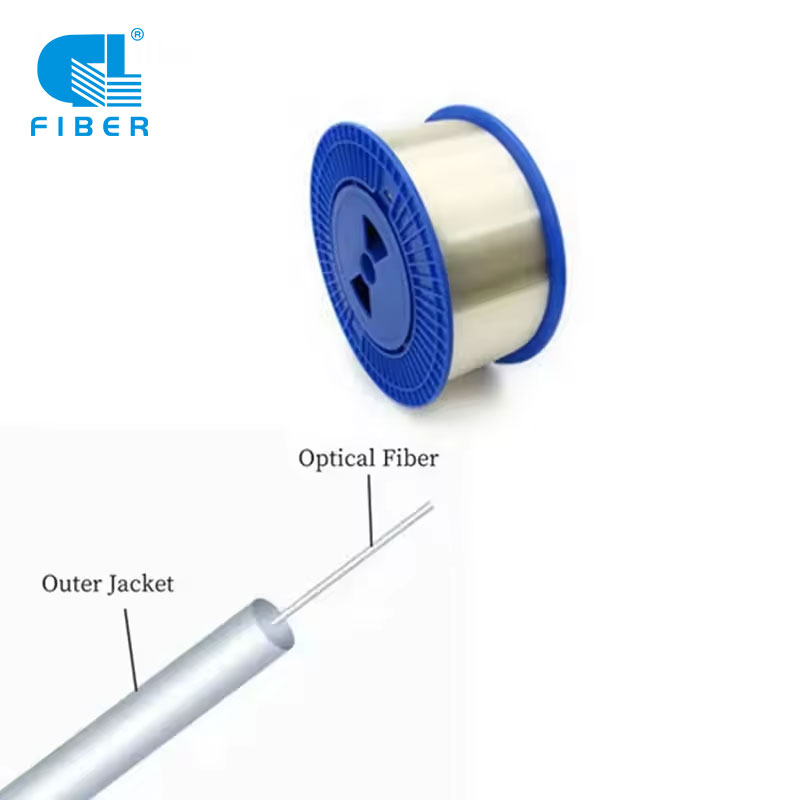
G.657.A2 is a bend-insensitive single-mode fiber engineered to handle tight bends down to a 7.5mm radius without signal loss. This property is critical for drone applications, where the fiber must be wound onto compact G657A2 FPV drone spools and deployed under extreme conditions mid-flight.
Key Specifications:
Parameter Specification
-
Minimum Bend Radius 7.5 mm
-
Macrobending Loss (1550nm, 15mm radius, 10 turns) ≤ 0.03 dB
-
Cladding Diameter 125 ± 0.7 μm
-
Coating Diameter 245 ± 15 μm (0.25mm nominal)
-
Attenuation @ 1550nm ≤ 0.22 dB/km
-
Tensile Strength (0.25mm fiber) ≥ 500N
The
0.25mm optical fiber diameter is particularly significant for drone applications—it’s thin enough to minimize payload weight and drag while maintaining the tensile strength needed to withstand launch shock, vibration, and aggressive maneuvers. Available in even thinner 0.20mm and 0.27mm variants, this ultra thin fiber enables extended flight times without sacrificing transmission quality.
Market Demand: Two Engines Driving the Surge
1. The FPV Drone Revolution
The most dramatic demand driver for
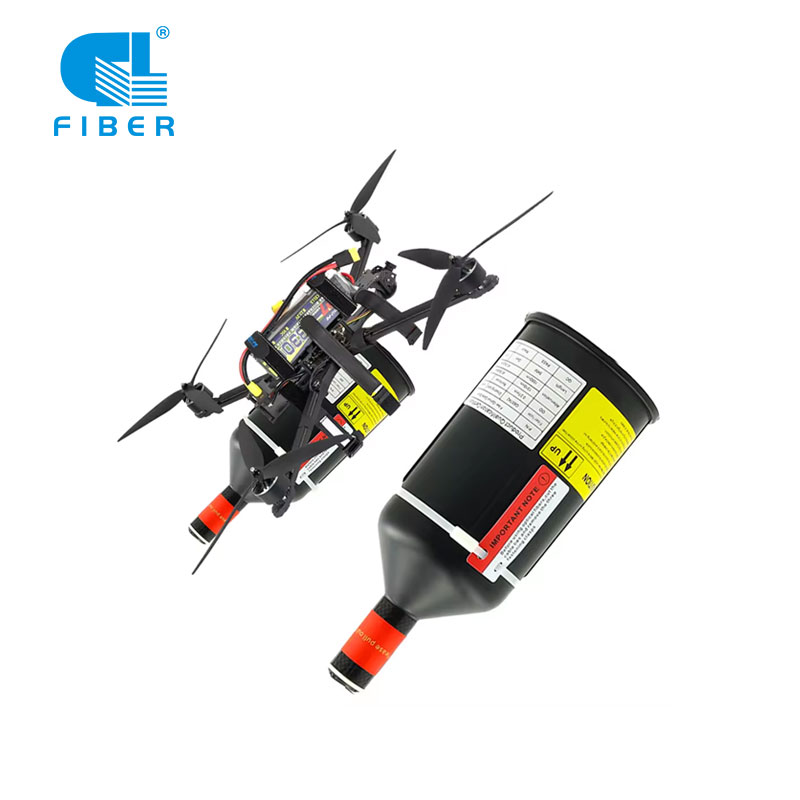
FPV drone bare fiber comes from defense applications. Fiber-optic guided drones are immune to electronic jamming, making them essential in modern electronic warfare. Each mission consumes 20–40 kilometers of G.657.A2 fiber—and because the fiber is never recovered, it has transformed from infrastructure into a consumable product.
Market scale:
-
Combined Russian and Ukrainian fiber-optic drone consumption reached 50–60 million kilometers in 2025
-
Russia’s 2026 drone production is expected to reach 4 to 5 million units
-
Drone-related fiber demand currently sits at approximately 50 million core-km annually, projected to reach 80 million in 2026
-
The fiber optic guided drones market itself is projected to reach approximately USD 2.3 billion in 2026 and grow to USD 4.5 billion by 2036.
2. The AI Data Center Boom
Simultaneously, AI infrastructure is consuming
single-mode fiber at an unprecedented rate. A single GPU cluster requires up to 10 times more fiber than traditional data centers. Global data center fiber demand reached 69.6 million core-km in 2025 and is projected to exceed 100 million core-km in 2026.
AI-driven fiber demand is projected to grow from under 5% of the global market in 2024 to 35% by 2027. Hyperscalers like Meta, Amazon, and Microsoft have committed over $600 billion** in 2026 capital expenditures—with Meta alone signing a **$6 billion fiber supply agreement with Corning.
The competition for G.657.A2 between these two sectors has created what industry analysts call a “structural supply-demand gap”.
Price Trends: The Numbers Tell the Story
The price surge for bare optical fiber has been nothing short of extraordinary:
Fiber Type Early 2025 Price Current Price (Mid-2026) Increase
G.657.A2 ~$5/km (¥32) $26–33/km (¥210–240) +550–650%
G.657.A1 ~$3.30/km $16.50–19.50/km +400–490%
G.652.D ~$2.60/km $12–17/km +380–550%
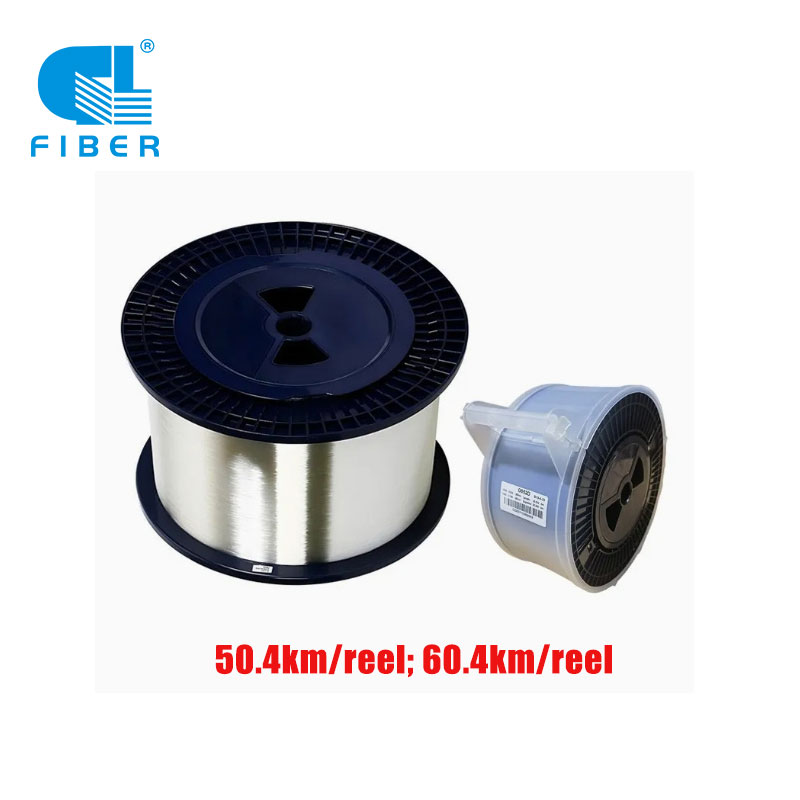
GL FIBER‘s current pricing: $26/km on 50.4km spools – genuine G.657.A2, factory-direct.
A Ukrainian drone operator recently reported that his unit used to buy 50-kilometer fiber optic spools for $300**—today, “it’s easily **$2,500”. At $33–35 per kilometer for bare fiber alone, a 50-kilometer spool runs $1,750 before spooling, packaging, and logistics.
The Supply Bottleneck: Why Prices Keep Rising
-
The root cause lies upstream: optical fiber preforms.
-
Preforms account for approximately 70% of production costs
-
Expanding preform capacity takes 18–24 months due to complex chemical deposition processes
-
According to CRU, global preform capacity is already running at near full utilization (84.3% in China)
The result: The global supply-demand gap for optical fiber is expected to reach 15% in 2026–2027—a deficit unseen in nearly a decade. Major manufacturers like YOFC, Hengtong, and FiberHome have orders booked through Q1 2027.
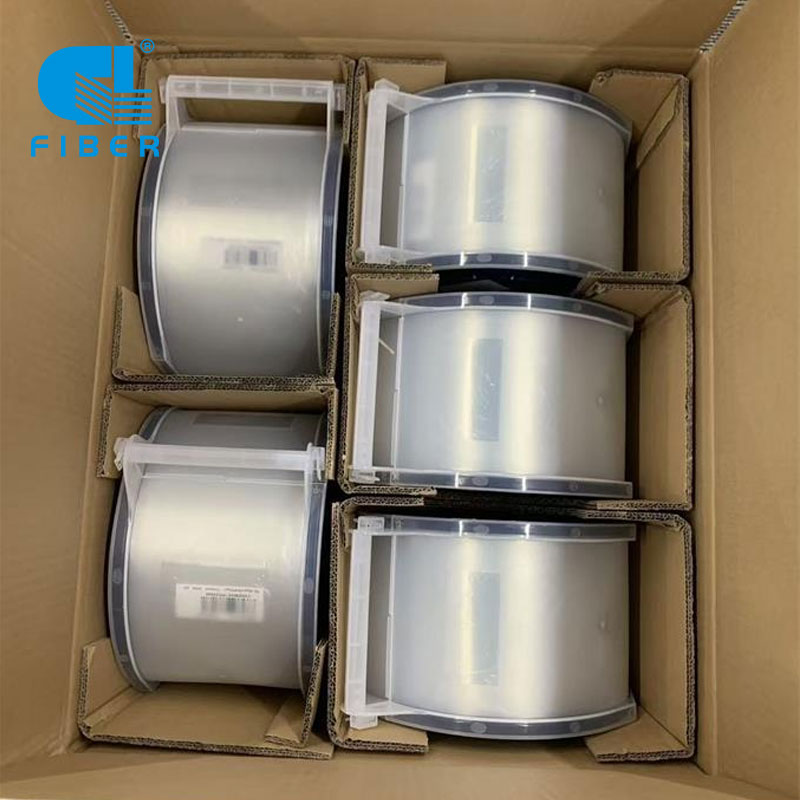
How to Identify Genuine G.657.A2 Bare Fiber ?
With prices soaring, the market has seen an influx of substandard or mislabeled products. Here’s what to verify:
1. Demand Macrobending Loss Test Reports
Genuine G.657.A2 must show ≤0.03 dB loss at 1550nm with a 15mm bend radius. Do not accept “typical values”—demand batch-specific data.
2. Verify ITU-T G.657.A2 Compliance
Certificates should match your shipment’s batch number. Cross-reference the manufacturer‘s name and certification date.
3. Inspect Physical Specifications
-
Coating diameter: 245 ± 15 μm (0.25mm nominal)
-
Consistent coloration and smooth coating surface
-
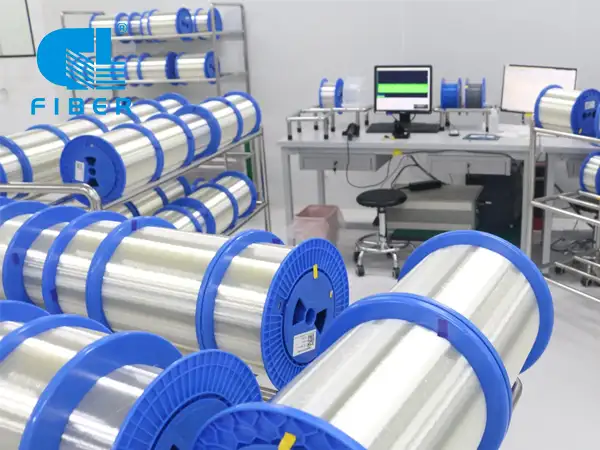
Professional spooling without tangles or uneven winding
4. Watch for Red Flags
-
Pricing significantly below $26/km for G.657.A2—likely A1 or substandard fiber
-
“No documentation available” or refusal to provide batch-specific test reports
-
Inability to arrange factory visits or video calls
-
Pressure tactics with “today-only” offers
5. Partner with Source Factories
Process control is only visible from the inside. A source factory that controls its own preform and drawing capacity provides:
-
Direct quality visibility
-
Batch traceability
-
Consistent quality—not reliant on third-party suppliers
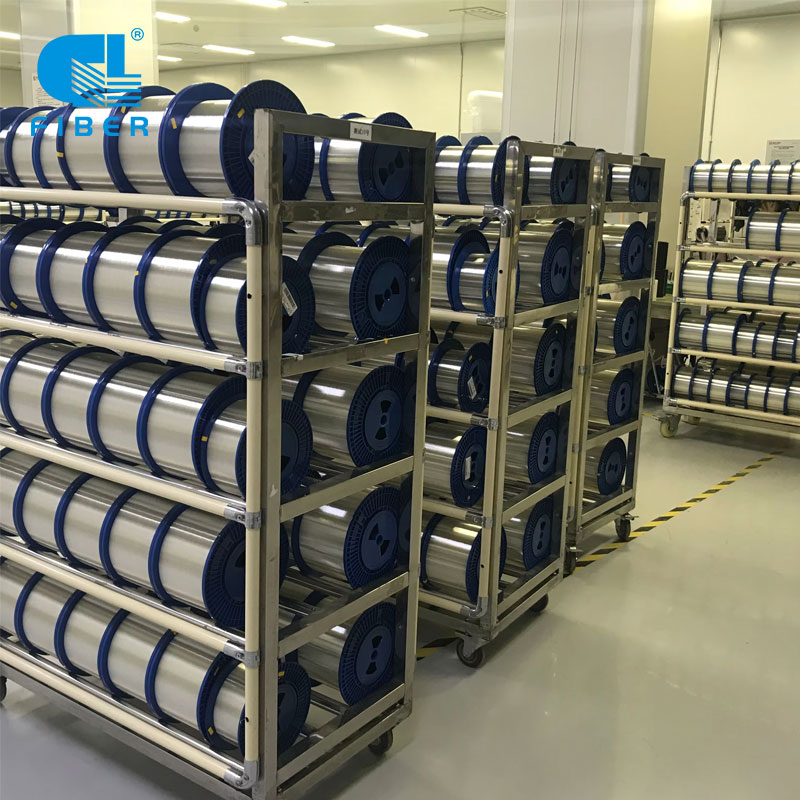
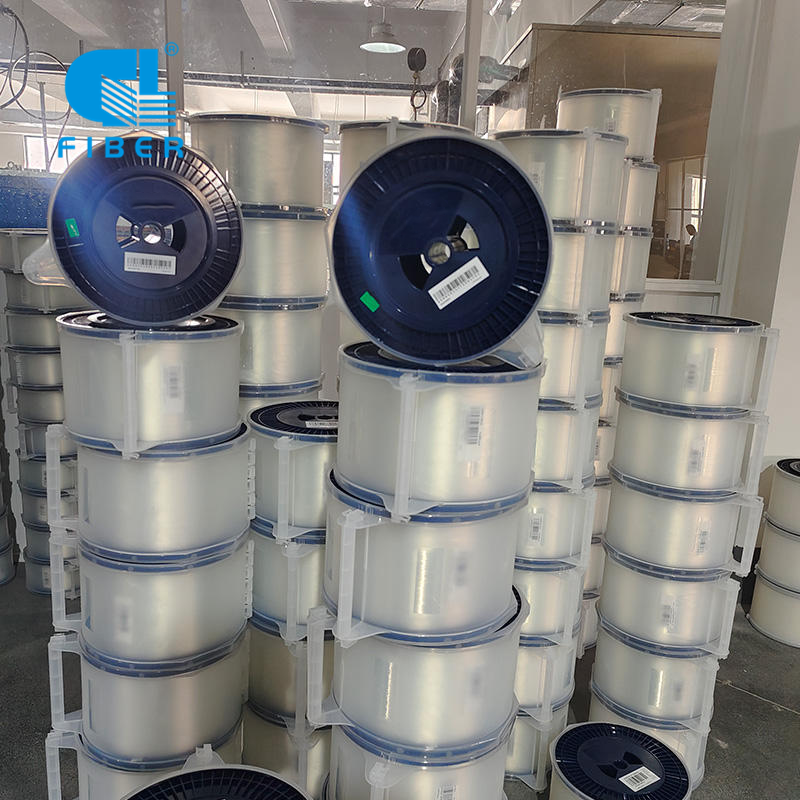
With 22+ years of manufacturing experience since 2004, GL FIBER is a trusted source factory for bare fiber, ultra thin fiber, and G657A2 FPV drone optic products.
-
550+ employees, 70% in technical and R&D roles
-
ISO9001, ISO14001, OHSMS18001 certified
-
Full process control—from preform to finished spool
-
Complete transparency—factory visits and video calls always welcome
-
Serving 200+ countries and regions
-
Current G.657.A2 pricing: $26/km on 50.4km spools – genuine, tested, and ready to ship.
Conclusion
The era of cheap fiber is over. The convergence of AI infrastructure build-outs and the FPV drone revolution has created a genuine, structural supply-demand imbalance for G.657.A2 bending insensitive fiber. With new preform capacity not expected until late 2027 at the earliest, waiting is not a viable strategy.
Whether you need bare fiber for R&D, ultra thin fiber for drone applications, or FPV drone bare fiber for defense technology projects, the time to secure your supply chain is now.



 ADSS Fiber Optic Cable
 OPGW Optical Ground Wire
 Bare Conductor
 Communication Optical Fibre
 Polarization-maintaining Fiber
 Aerial Fiber Cable
 Duct Fiber Cable
 Direct Buried Fiber Cable
 FTTH Drop Cable
 Air Blown Micro Cable
 Armored Fiber Optic Cable
 High Density Ribbon cable
 Biologically Protective Cable
 FTTX Tactical Cable
 Indoor Fiber Optic Cable
 Hybrid Fiber Optic Cable
 Fiber Optic Assemblies
 Company Profile
 Development History
 Qualification Honor
 Company Videos
 Exhibiting Overseas
 Our Solution