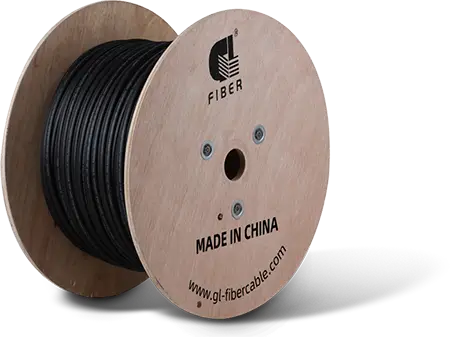
The global market for
FPV drone fiber has entered unprecedented territory. Fiber-optic guided drones—immune to electronic jamming—have become essential in modern defense and industrial applications. Each mission consumes 20–40 kilometers of specialized optic bare fiber, and because the fiber is not recovered after deployment, this represents pure consumable demand.
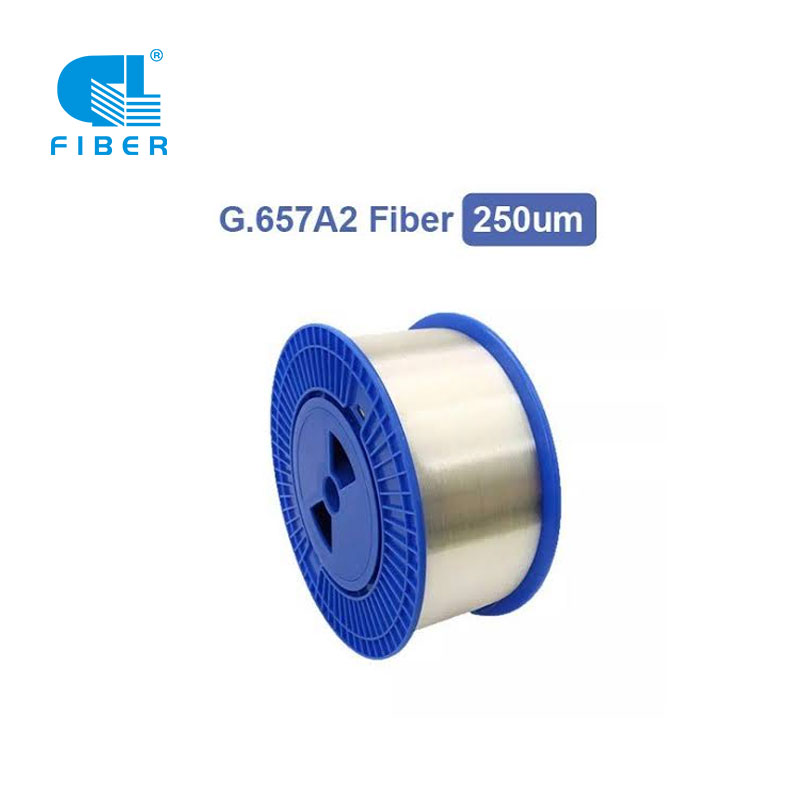
For procurement professionals sourcing silicone glass bare fiber, bare fiber, or G657A2 FPV drone optic products, understanding what makes quality fiber—and how to spot substandard alternatives—is now as critical as securing supply.
📊 Market Reality: Supply Tight, Prices Elevated
The numbers tell the story.
G.657.A2 specialty optical fiber prices have surged from approximately 32 RMB to 240 RMB per core-kilometer over the past year—an increase of up to 650%. Industry production and sales growth is also astonishing: the first quarter generally grew by more than 35%, and some enterprises increased nearly fivefold.
Fiber Type Key Application Current Market Price Range
G.657.A2 (Bend-Insensitive) FPV Drones, AI Data Centers $26.5–33/km
G.657.A1 FTTH, General Bend-Insensitive $16.50–19.50/km
G.652.D Standard Telecom $12–17/km
GL FIBER pricing: $26/km on 50.4km spools – genuine G.657.A2, factory-direct.
Why the surge? Two structural drivers:
1. The FPV Drone Revolution – Fiber-optic guided drones provide jam-proof communication, high-bandwidth real-time video, and stealth operation undetectable by RF scanners. Combined Russian and Ukrainian fiber-optic drone consumption reached 50–60 million kilometers in 2025 alone. Ukraine has enacted tax and customs incentives for domestic drone manufacturers, including import duty and VAT exemptions on optical fiber components.
2. The AI Data Center Boom – A single GPU cluster requires 5–10 times more fiber than traditional data centers. Global data center fiber demand reached 69.6 million core-km in 2025 and is projected to exceed 100 million core-km in 2026. Major manufacturers have orders booked through Q1 2027.
🔬 What Makes G.657.A2 the Gold Standard for FPV Drones?
G.657.A2 fiber is purpose-built for the extreme demands of drone deployment. Here are the key specifications you should verify when sourcing
FPV drone bare fiber:
Core Specifications
Parameter G.657.A2 Specification Why It Matters for Drones
Minimum Bend Radius 7.5 mm Allows tight coiling on compact drone spools without signal loss
Cladding Diameter 125 ± 0.7 μm Standard single-mode geometry ensures compatibility
Coating Diameter 245 ± 7 μm (0.25mm) Ultra-slim profile reduces payload weight and simplifies routing
Attenuation @ 1310nm ≤ 0.35 dB/km Low loss for long-range transmission
Attenuation @ 1550nm ≤ 0.21 dB/km Critical for HD video signal integrity
Macrobending Loss @ 15mm ≤ 0.03 dB 88% lower loss than A1 in tight bends
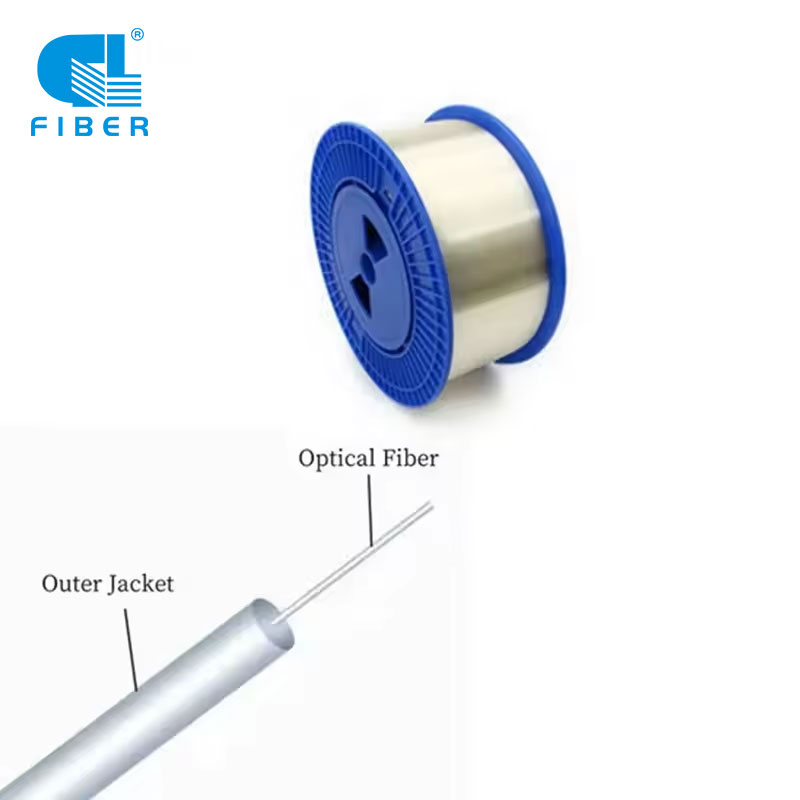
The Coating Matters: Silicone Glass Bare Fiber
For drone applications, the coating is as important as the glass itself. Quality silicone glass bare fiber features:
UV-cured acrylate coating providing mechanical protection during handling and deployment
Thermal stability from -60°C to 85°C—essential for drones operating in extreme environments
Water resistance for reliable performance in wet conditions
At GL FIBER, our G.657.A2 features a proprietary coating system rigorously tested to ensure performance integrity and prevent brittle fracture in temperatures as low as -35°C to -40°C.
⚠️ How to Spot Substandard or Counterfeit Bare Fiber
The dramatic price surge has created a perfect environment for counterfeit and substandard products. Here is how to protect your supply chain:
1. The A1 vs. A2 Trap
-
G.657.A1 and G.657.A2 look nearly identical—but their performance differs significantly:
-
Parameter G.657.A1 (Substandard if sold as A2) G.657.A2 (Genuine)
-
Min Bend Radius 10 mm 7.5 mm
-
Macrobending Loss @ 15mm ≤ 0.25 dB ≤ 0.03 dB
-
Typical Use FTTH, general applications Drones, AI data centers
The Risk: If you buy G.657.A1 labeled as A2 for
FPV drone fiber applications, the fiber can fail during extreme bending in the field.
2. Demand Test Reports—Not "Typical Values"
Genuine G.657.A2 fiber comes with batch-specific test reports. Do not accept generic "typical values."
What to ask for:
Macrobending loss test at 1550nm and 1625nm with 15mm bend radius
Attenuation coefficient measurements at 1310nm, 1383nm, 1550nm, and 1625nm
Proof test certification (≥0.79 GPa)
3. Question Unrealistic Pricing
When legitimate suppliers quote $26–33/km for G.657.A2, offers significantly below this range should raise immediate red flags.
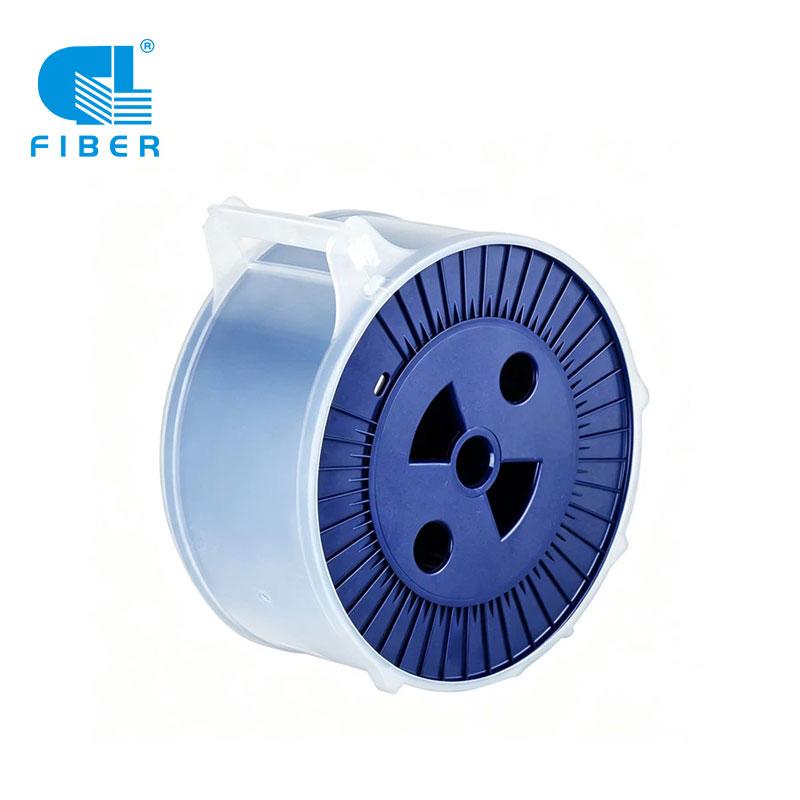
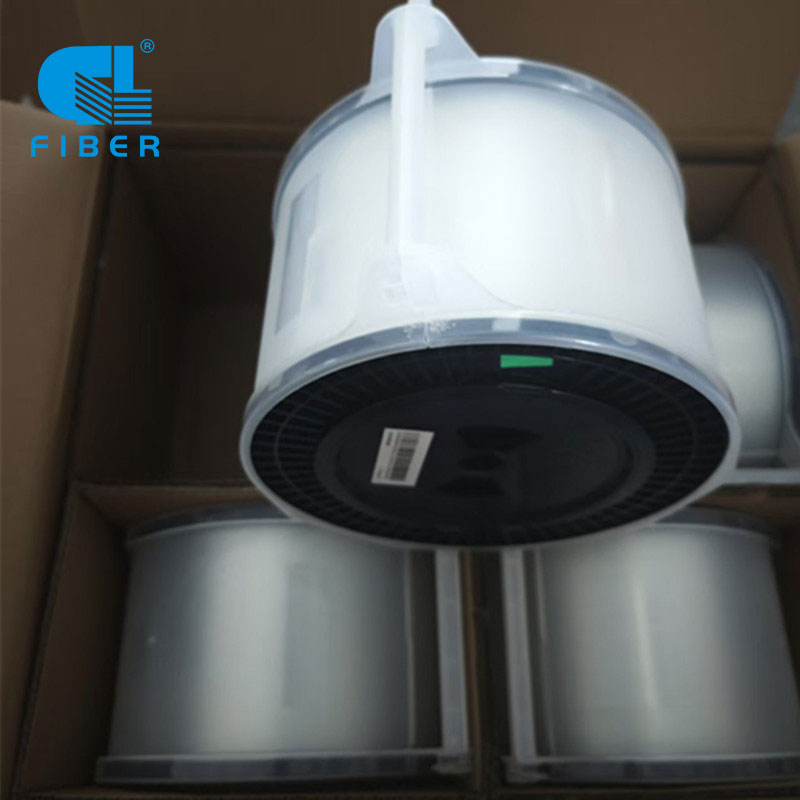
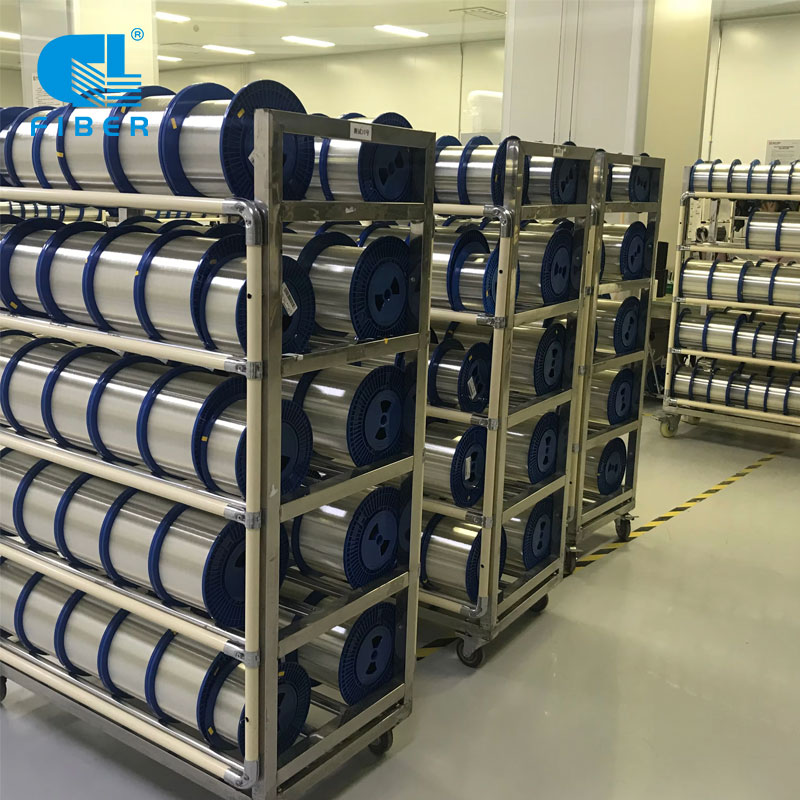
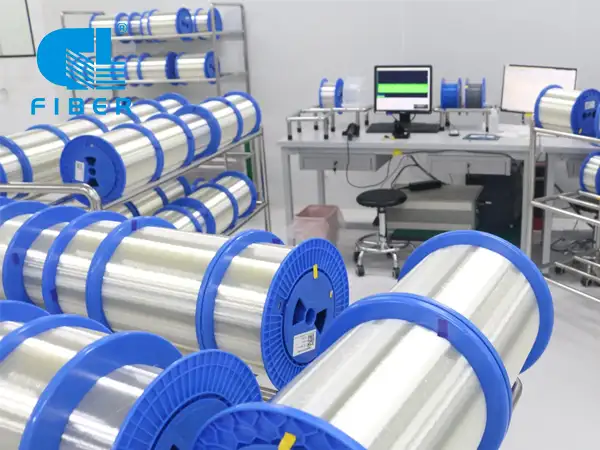
4. Inspect Physical Spools
Quality bare fiber spools should have:
-
Clear labeling with specifications and batch numbers
-
Consistent winding without tangles or uneven tension
-
Professional packaging that protects the fiber during transit
5. Partner with Source Factories, Not Traders
In today's supply-constrained market, traders cannot guarantee allocation or authenticity. A source factory that controls its own preform and drawing capacity provides:
-
Factory-direct pricing with no middleman markups
-
Direct insight into production slots and quality control
-
Priority allocation for direct clients
🚩 Red Flags to Watch For
Red Flag What It Likely Means
"No documentation available" Likely counterfeit or non-compliant product
"We don't do factory visits" Hiding something—real manufacturers welcome transparency
"100% upfront payment required" High scam risk, especially from unknown suppliers
Pricing well below market rate Almost certainly A1, lower-grade, or counterfeit fiber
✅ Why GL FIBER for Your FPV Drone Fiber Needs?
✅ 22+ years of manufacturing experience – Founded in 2004
✅ Source factory – Full control over preform and drawing capacity
✅ ISO9001, ISO14001, OHSMS18001 certified
✅ Complete transparency – Factory visits and video calls are always welcome
✅ Global reach – Serving 200+ countries and regions
✅ Proven in extreme conditions – Proprietary coating tested to -35°C to -40°C
Current G.657.A2 pricing: $26/km on 50.4km spools – Genuine, tested, and ready to ship.



 ADSS Fiber Optic Cable
 OPGW Optical Ground Wire
 Bare Conductor
 Communication Optical Fibre
 Polarization-maintaining Fiber
 Aerial Fiber Cable
 Duct Fiber Cable
 Direct Buried Fiber Cable
 FTTH Drop Cable
 Air Blown Micro Cable
 Armored Fiber Optic Cable
 High Density Ribbon cable
 Biologically Protective Cable
 FTTX Tactical Cable
 Indoor Fiber Optic Cable
 Hybrid Fiber Optic Cable
 Fiber Optic Assemblies
 Company Profile
 Development History
 Qualification Honor
 Company Videos
 Exhibiting Overseas
 Our Solution