If you are sourcing
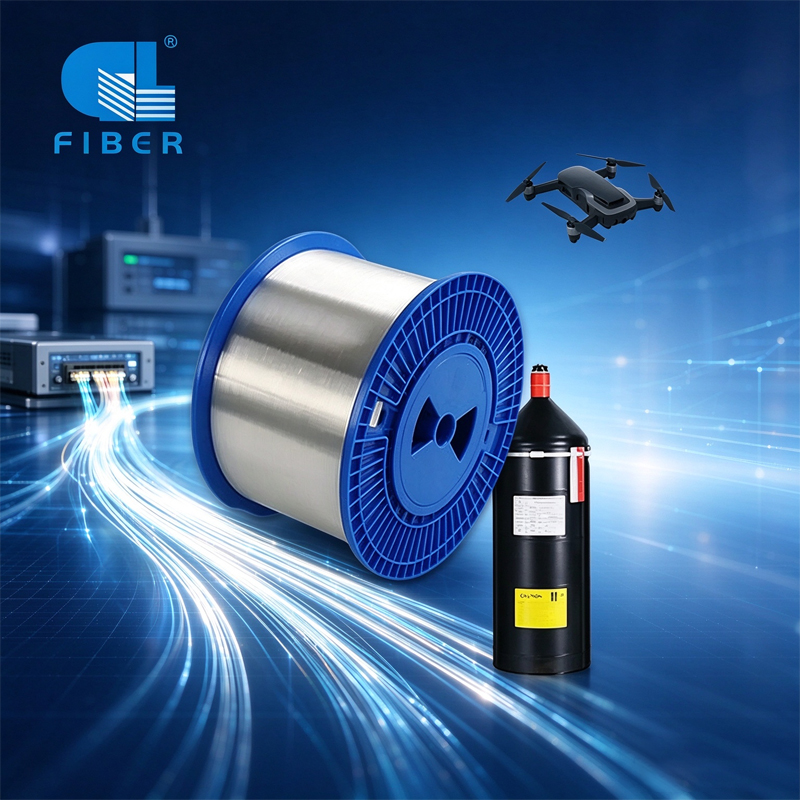
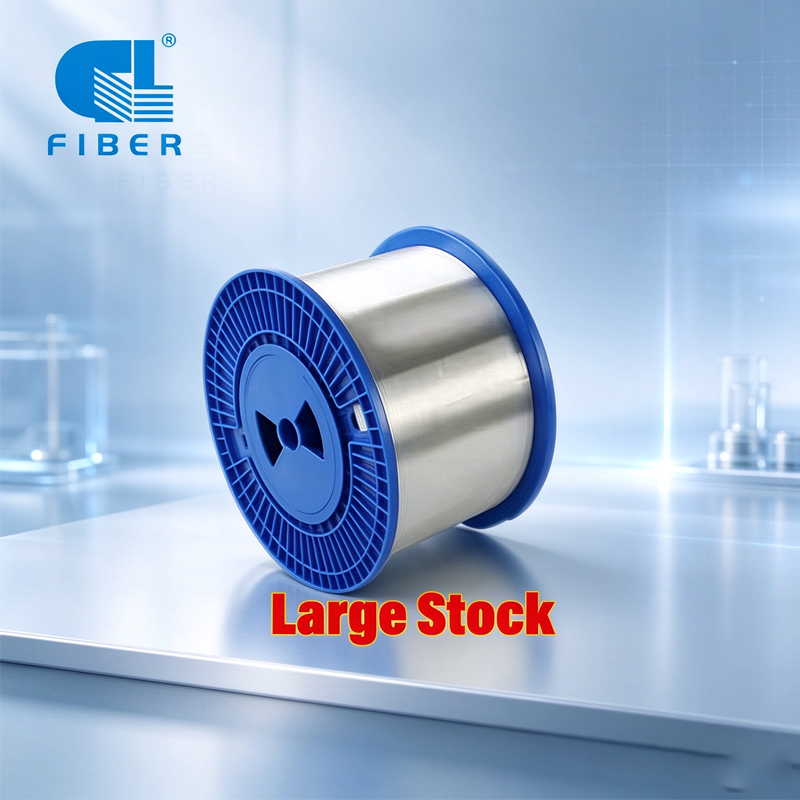
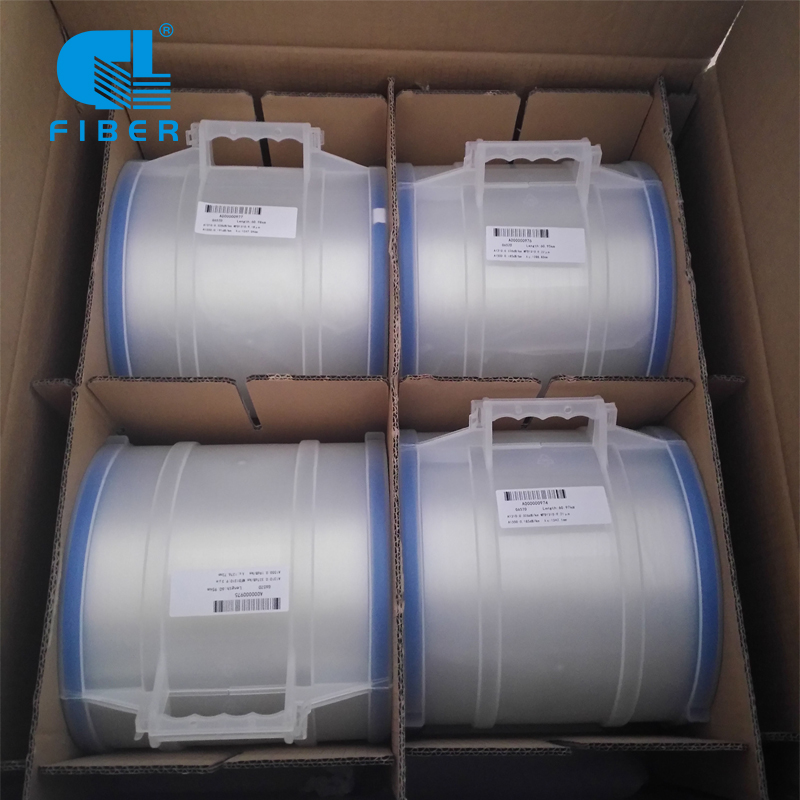
bare optical fiber, g657a2, or 0.25mm fiber for FPV drone or AI data center applications, you have likely encountered a frustrating reality: supply is tight, prices are volatile, and securing a fiber optic spool has become increasingly difficult. The question on every buyer‘s mind is simple: How do I navigate this shortage without overpaying or compromising on quality?
This article analyzes the root causes behind the current supply crunch, provides current pricing intelligence, and offers practical procurement guidance from
GL FIBER.
📊 Why Is G657A2 Fiber in Such Short Supply?
The current shortage is not the result of a single factor. It is the convergence of three powerful forces that have reshaped the global fiber optic market.
1. AI Data Centers Are Consuming Fiber at an Unprecedented Rate
-
The primary demand driver is the global AI infrastructure build-out. Global data center fiber demand reached 74.7 million core-km in 2025, a year-over-year increase of 89% . In 2026, this figure is expected to exceed 100 million core-km .
-
The demand logic has fundamentally shifted. As one industry expert put it: “Previously, fiber was laid to every home. Now, it is laid next to every GPU card.” A single hyperscale AI data center requires 5 to 10 times more fiber than a traditional data center .
2. The Preform Bottleneck: A Structural Constraint
-
The root cause of the shortage lies upstream: optical fiber preforms, which account for approximately 70% of fiber production costs .
-
Expanding preform capacity requires 18 to 24 months and an investment of approximately 4 billion RMB for a 3,500-ton facility .
-
China‘s preform capacity utilization reached 84.3% in 2026, with major manufacturers running at full load .
-
The supply-demand gap for G.657 series fiber alone is estimated at 46%—global demand of 370 million core-km against Chinese effective capacity of only 200-210 million core-km .
3. Production Shift to High-Value Products
Manufacturers are prioritizing G.657.A2 fiber over standard G.652.D due to higher margins. This production shift has reduced effective output of standard grades and extended lead times across the board. Major manufacturers like YOFC have orders booked through Q1 2027 .
Current Market Pricing (October 2026)
Timeframe
G657A2 Price (RMB/core-km)
Approx. USD/km
-
Early 2025 ~32 RMB ~$4.50
-
January 2026 83 RMB ~$11.50
-
June 2026 216.91 RMB ~$30
-
September 2026 210–220 RMB ~$29–31
-
2027 Forecast 220–250 RMB ~$30–35
Sources: Industry reports from the 2026 Global Fiber Optic Cable Conference
Key Observations
G.657.A2 prices increased 161% from January to June 2026 alone .
In overseas markets, G.657.A2 fiber trades at $21–25/core-km—two to three times the Chinese benchmark, reflecting the premium for export allocation .
Prices are expected to remain elevated through 2027, with relief not anticipated until 2029 or later for G.657.A2 specifically .
🛒 Procurement Advice: How to Buy G657A2 Fiber Correctly
1. Understand the Price Floor
When legitimate manufacturers are producing G657A2 at 210–240 RMB/core-km ($29–33/km), offers significantly below this range should raise immediate red flags.
What to watch for:
-
If a supplier quotes G657A2 at $20–25/km, you are almost certainly being offered G.657.A1 or substandard fiber.
-
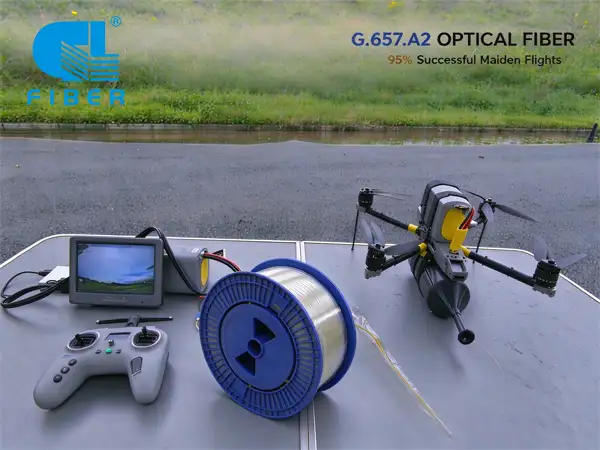
The performance difference is critical: A1 supports a 10mm bend radius, while A2 supports 7.5mm—the requirement for FPV drone deployment.
2. Verify What You Are Buying
✅ Demand batch-specific macrobending loss test reports – Do not accept “typical values”
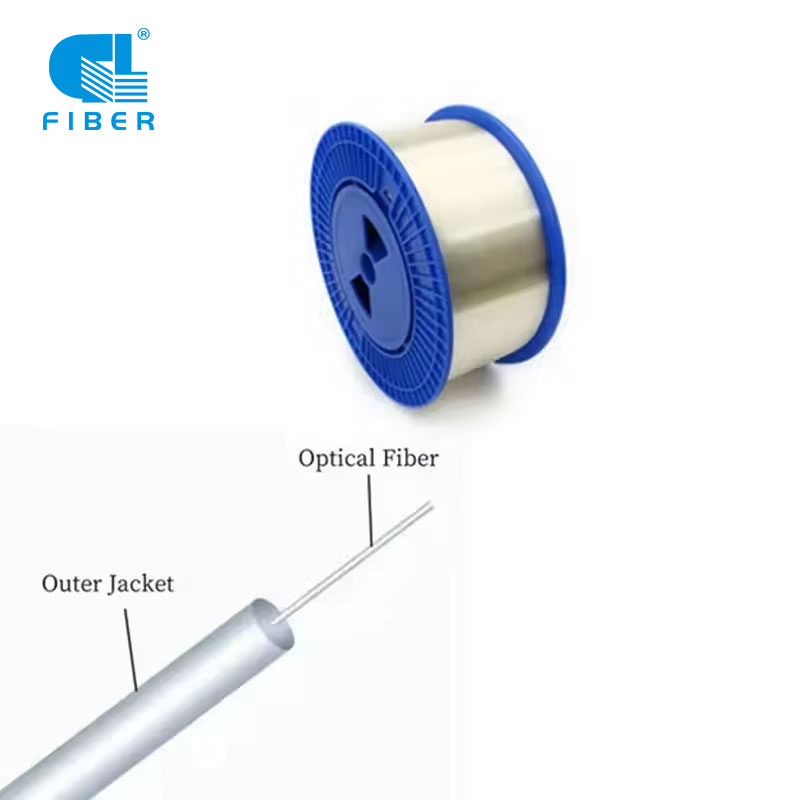
✅ Verify coating diameter – 0.25mm (245±10 μm) is standard for drone applications
✅ Check ITU-T G.657.A2 compliance – Certificates must match your shipment‘s batch number
3. Secure Supply Through Source Factories
In a supply-constrained market, traders cannot guarantee allocation. A source factory that controls its own preform and drawing capacity provides:
-
Direct quality visibility – full process control from preform to finished spool
-
Batch traceability – every shipment is fully documented
-
Allocation priority – factories prioritize direct clients over intermediaries
4. Plan for Extended Lead Times
Current lead times have extended from 8–12 weeks to 20+ weeks. Orders for Q4 2026 and Q1 2027 projects should be placed immediately.
📞 Contact GL FIBER Today
Don‘t risk your FPV drone mission on substandard fiber. Partner with a trusted manufacturer who stands behind every fiber optic spool we ship.



 ADSS Fiber Optic Cable
 OPGW Optical Ground Wire
 Bare Conductor
 Communication Optical Fibre
 Polarization-maintaining Fiber
 Aerial Fiber Cable
 Duct Fiber Cable
 Direct Buried Fiber Cable
 FTTH Drop Cable
 Air Blown Micro Cable
 Armored Fiber Optic Cable
 High Density Ribbon cable
 Biologically Protective Cable
 FTTX Tactical Cable
 Indoor Fiber Optic Cable
 Hybrid Fiber Optic Cable
 Fiber Optic Assemblies
 Company Profile
 Development History
 Qualification Honor
 Company Videos
 Exhibiting Overseas
 Our Solution