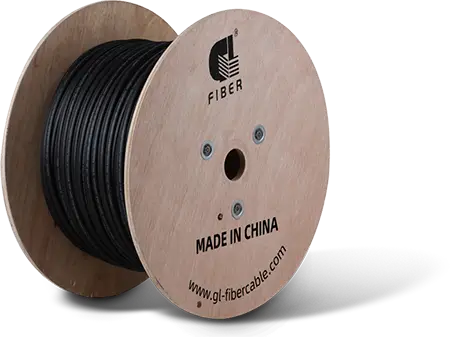
The fiber optic market is experiencing unprecedented volatility. As an essential component in global telecommunications, defense, and AI infrastructure, prices for products like
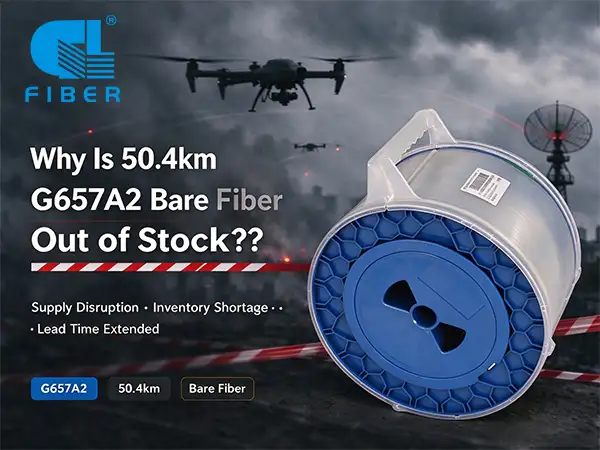
g657a2 fiber, single mode fiber, and bare fiber have seen dramatic increases since late 2025. As of March 2026, G.657.A2 fiber is priced at $33/km, reflecting the intense supply-demand imbalance.
For procurement professionals and businesses relying on
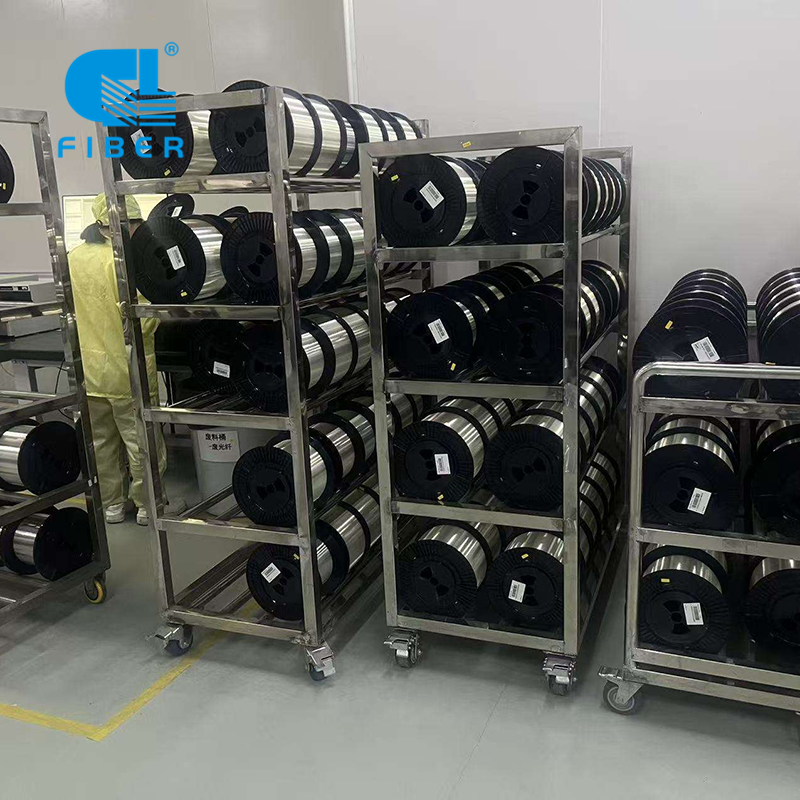
fiber optic spools, understanding the underlying market dynamics is crucial for strategic purchasing decisions.
This article analyzes current market trends, price forecasts, and provides actionable procurement advice.
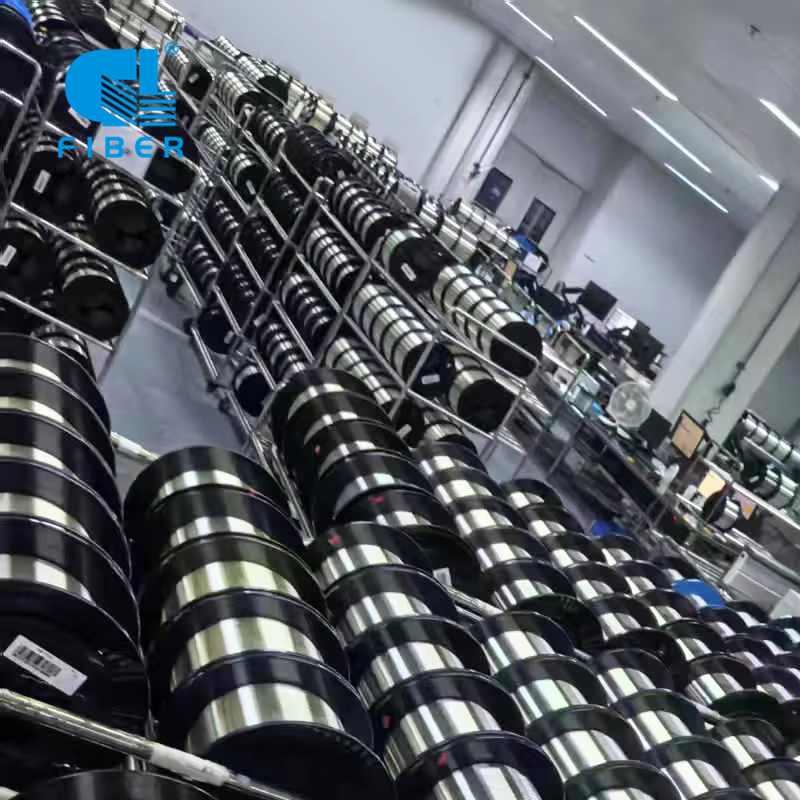
Market Demand: The AI and Drone Revolution
The current demand surge is fundamentally different from previous cycles driven by FTTH (Fiber to the Home) or 5G. Today, the market is propelled by two key sectors: Artificial Intelligence Data Centers and Drone Technology.
1. The AI Data Center Effect
AI infrastructure is consuming fiber optics at an unprecedented rate. A single GPU cluster requires massive internal and external connectivity.
Scale-Out & Scale-Up: AI data centers require significantly more fiber than traditional cloud data centers—estimates suggest up to 10 times more fiber for generative AI clusters.
DCI Growth: Data Center Interconnect (DCI) is also creating a massive new demand layer. CRU predicts that AI-driven fiber demand will grow from less than 5% of the market in 2024 to 35% by 2027.
2. Drone Fiber Optics: A New Consumable
Military and industrial applications are driving demand for Drone fiber optic solutions. Unlike traditional radio-controlled drones, tethered or fiber-optic guided drones (used extensively in defense) offer anti-jamming capabilities and high bandwidth. Single drones can consume 10–40 km of bend-insensitive fiber (like G.657.A2), and because this fiber is often not recovered after missions, it has transformed fiber from a capital expenditure infrastructure item into a consumable.
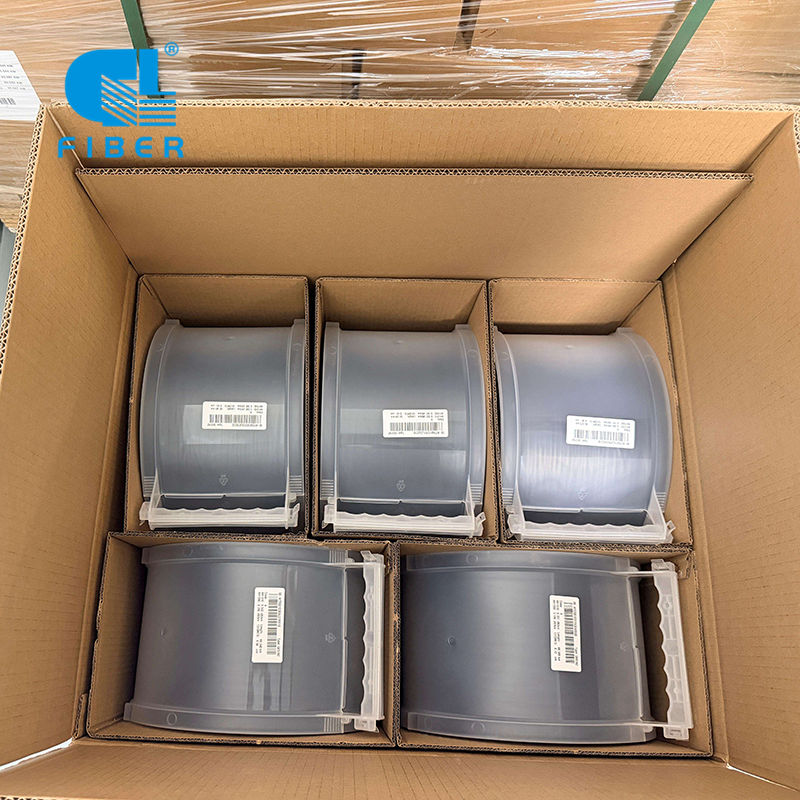
Price Trends: Why Are Prices Rising Daily?
If you are monitoring prices for single mode fiber or
0.25mm fiber, you have likely noticed sharp increases. Here is why:
1. Supply Chain Rigidity (The Preform Bottleneck)
The entire industry is constrained by the production of optical fiber preforms.
Long Lead Times: Expanding preform manufacturing capacity takes 18 to 24 months due to high technical barriers and capital investment.
Full Capacity: Major manufacturers (Corning, Furukawa, and Chinese giants like YOFC) are operating at full capacity. There is little spare capacity to absorb sudden demand spikes.
2. Structural Shift in Production
To meet the high-profit margins of AI and drone applications, manufacturers are prioritizing high-spec G.657A2 fiber (bend-insensitive) over standard
G.652.D.
The Result: This production shift has created a "capacity squeeze" on common single-mode fibers. Even if demand for standard fiber remains stable, the supply has tightened, pushing prices up across the board.
3. Current Market Pricing
Data from March 2026 confirms the severity of the trend:
G.652.D (Standard Single Mode): Prices have surged from approximately $2.50/km in late 2025 to $12–$16/km as of March 2026.
G.657.A2 (Bend-Insensitive): The current spot price for G.657.A2 fiber stands at $33/km, reflecting the intense demand for high-grade fiber optic spools used in AI servers and drones. This represents a sixfold increase from late 2025 levels.
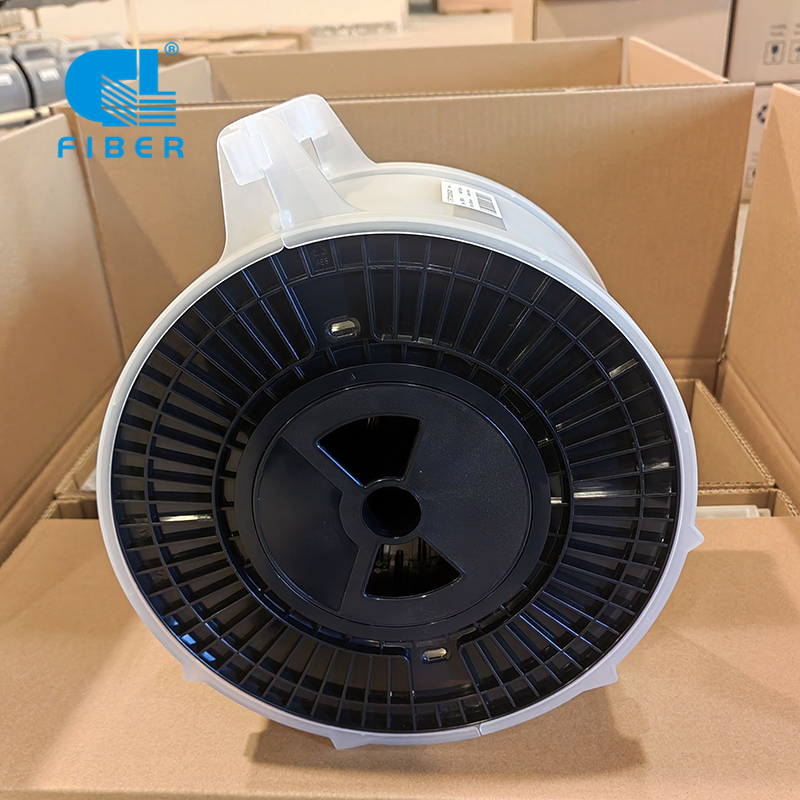
Procurement Strategy: When Will Prices Drop?
Given the current "tight supply, price surge" phase, here are answers to the most pressing procurement questions.
Q: Why are prices still rising?
A: The market is experiencing a "supply-demand gap." Unlike past cycles, this growth is driven by new demand (AI/Drones) rather than just telecom upgrades. Manufacturers are hesitant to add new capacity due to memories of the 2019 price crash, and existing capacity is locked into long-term contracts with hyperscalers like Meta and Amazon.
Q: When will prices drop?
A: According to institutional analysis (CSC, Guosheng Securities), prices are unlikely to drop in 2026. With G.657.A2 already trading at $33/km, the market shows no signs of cooling.
Short Term (Q2-Q3 2026): Prices will remain high or increase further due to full capacity and tight preform supply.
Medium Term (2027): Analysts predict that new preform capacity, if started now, may begin to enter the market by mid-to-late 2027. However, this depends entirely on whether major manufacturers break ground on new facilities immediately.
Q: When is the best time to purchase?
A: Now is the time to secure long-term contracts.
Waiting for prices to drop is risky. With G.657.A2 now at $33/km, suppliers are increasingly reluctant to offer spot market quotes without prior allocation commitments. Industry data shows that tenders for fiber optics ukraine and other regions are frequently failing due to suppliers refusing to bid at old price caps.
For Spot Buys: Purchase immediately. Prices are subject to weekly, sometimes daily, increases.
For Bulk Procurement: Lock in annual contracts now. With supply tight, manufacturers are prioritizing stable, high-volume orders over spot market sales.
Conclusion
The fiber optic industry is in a new "up-cycle" driven by AI inflation and Drone technology. Whether you require bare fiber for R&D, single mode fiber for telecom, or specialized
g657a2 fiber for high-density data centers—currently priced at $33/km—the market is favoring suppliers.
To optimize your supply chain, consider consolidating your fiber optics purchasing needs into larger, less frequent orders to secure allocation from manufacturers. With supply constraints expected to persist through 2026 and into 2027, proactive procurement is essential to mitigate cost risks.



 ADSS Fiber Optic Cable
 OPGW Optical Ground Wire
 Bare Conductor
 Communication Optical Fibre
 Polarization-maintaining Fiber
 Aerial Fiber Cable
 Duct Fiber Cable
 Direct Buried Fiber Cable
 FTTH Drop Cable
 Air Blown Micro Cable
 Armored Fiber Optic Cable
 High Density Ribbon cable
 Biologically Protective Cable
 FTTX Tactical Cable
 Indoor Fiber Optic Cable
 Hybrid Fiber Optic Cable
 Fiber Optic Assemblies

 Company Profile
 Development History
 Qualification Honor
 Company Videos
 Exhibiting Overseas
 Our Solution