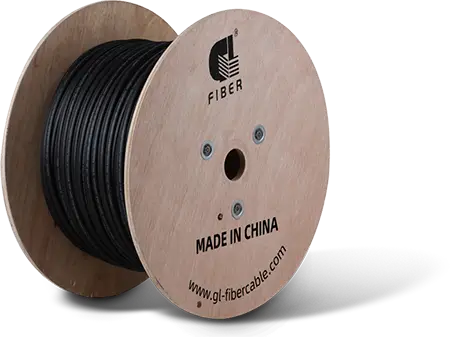
When designing high-performance fiber optic networks, selecting the right cable type is critical—especially as applications demand more flexible and space-efficient solutions. Among the most talked-about standards today are G657A2 fiber and G657B3 fiber. While both are bend-insensitive single-mode fibers designed for FTTH and indoor installations, they have distinct differences in performance, compatibility, and cost.
This article breaks down the technical and practical differences between
G657B3 fiber and G657A2 fiber to help you make an informed purchasing decision.
Quick Comparison: G657A2 vs G657B3
-
Minimum Bend Radius 7.5 mm 5 mm (tightest among single-mode fibers)
-
ITU-T Category Category A (Access Networks) Category B (Short Distance / Extreme Bending)
-
Compatibility with G.652.D Fully compatible (low splice loss) Requires careful splicing (different MFD)
-
Typical Attenuation @1550nm ≤0.21 dB/km ≤0.21 dB/km
-
Primary Applications FTTH, FTTx, data center patching, indoor/outdoor drop cables Invisible wiring, ultra-tight spaces, home networks, compact devices
-
Cost Moderate premium over G.652.D Higher cost (premium product)
Detailed Breakdown: Key Differences
1. Bend Radius (The Most Critical Difference)
-
The fundamental differentiator is bend resistance.
-
G657A2 fiber can be bent to a radius of 7.5 mm without significant signal loss. This is already excellent—suitable for most FTTH deployments, small enclosures, and tight building risers.
-
G657B3 fiber takes it a step further, with a minimum bend radius of 5 mm. That is the smallest bending radius available for any standard single-mode fiber, making it ideal for extreme environments such as narrow conduits, sharp corners, and invisible wall-mounted wiring.
-
Practical impact: If your installation involves sharp 90-degree bends, tight cable management in compact boxes, or routing fiber around furniture, G657B3 offers a clear advantage.
2. Compatibility with Existing Networks (G.652.D)
-
This is where many buyers make the wrong choice.
-
G657A2 fiber is fully backward compatible with the widely deployed G.652.D fiber. It has a mode field diameter (MFD) of approximately 8.6–9.2 μm at 1310nm, which closely matches G.652.D. Splicing losses are low, and you can mix G657A2 with legacy fibers without performance degradation.
-
G657B3 fiber belongs to Category B, meaning it prioritizes extreme bend performance over compatibility. Its MFD differs from G.652.D, so splicing losses can be higher. It is recommended primarily for short-distance, dedicated applications where minimal splicing with legacy fiber is required.
-
Practical impact: If you are extending an existing G.652.D backbone network into a home or building, choose G657A2 for seamless integration. If you are building a completely new, ultra-dense network from scratch, G657B3 may be acceptable.
3. Application Scenarios
-
Use Case Recommended Fiber
-
FTTH drop cables from curb to home G657A2
-
Indoor distribution in apartments/offices G657A2
-
Invisible fiber (transparent sheath, glued along walls/corners) G657B3
-
Data center patch cords (high-density racks) Both (A2 for cost, B3 for extreme routing)
-
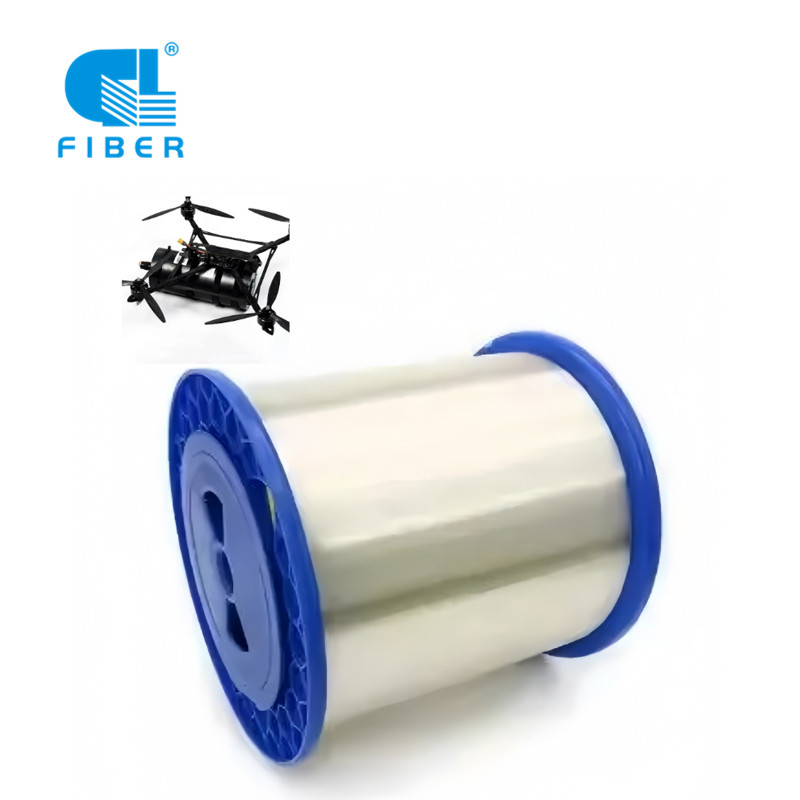
Fiber optic drone / FPV applications (tight spooling) G657A2 (cost-effective) or G657B3 (premium)
-
Medical devices / robotic arms (repetitive tight bending) G657B3
-
Subscriber terminals with very tight bend constraints G657B3
-
According to industry sources, G657B3 fiber is specifically designed for "invisible FTTH wiring" in villa areas, apartments, and scenarios where the fiber must integrate seamlessly into home décor—often using 0.9mm transparent cables that can be glued along baseboards and corners.
4. Performance Specifications (Technical Data)
Based on ITU-T standards and manufacturer data:
-
Parameter G657A2 G657B3
-
Macrobending Loss (1 turn @1550nm) ≤0.15 dB at 7.5mm radius ≤0.10 dB at 5mm radius
-
Attenuation @1310nm ≤0.35 dB/km ≤0.35 dB/km
-
Attenuation @1550nm ≤0.21 dB/km ≤0.21 dB/km
-
Mode Field Diameter @1310nm 8.6±0.4 μm 8.6±0.4 μm
-
Cladding Diameter 125±0.7 μm 125±0.7 μm
-
Coating Diameter 245±10 μm 245±10 μm
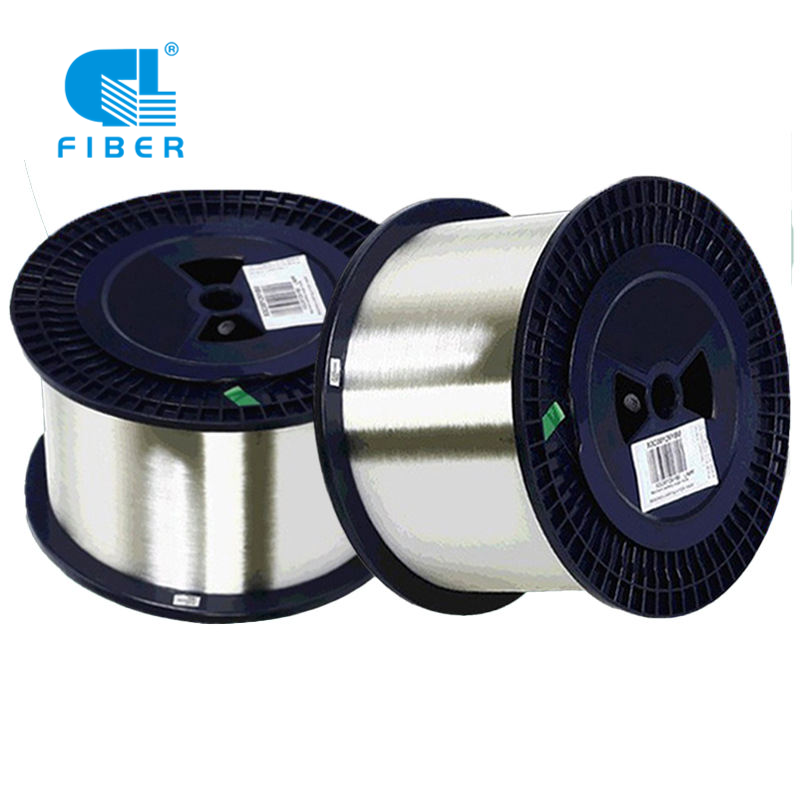
Which One Should You Choose?
Choose G657A2 Fiber if:
✅ You need compatibility with existing G.652.D networks
✅ Your project is cost-sensitive (A2 is more affordable than B3)
✅ You are deploying standard FTTH, FTTx, or data center patch cords
✅ Minimum bend radius of 7.5 mm is sufficient for your installation environment
✅ You require low splice loss when connecting to legacy infrastructure
Typical applications: Last-mile drop cables, indoor distribution,
ADSS cable installations, standard patch cords.
Choose G657B3 Fiber if:
✅ You need the highest possible bend resistance (5 mm radius)
✅ You are installing invisible fiber or routing in extremely tight spaces (wall corners, narrow ducts)
✅ You are building a new, dedicated network with minimal splicing to older fibers
✅ Budget is less of a concern than performance in tight spaces
✅ The application involves repetitive or extreme bending (e.g., robotic arms, compact devices)
Typical applications: Invisible FTTH wiring, ultra-compact data centers, medical endoscopes, fiber optic sensors in tight machinery.
Price Considerations (May 2026 Update)
As of May 2026, the fiber optic market remains elevated following the historic surge in late 2025 and early 2026. However, prices have shown signs of stabilization within a new, higher range. According to current market data:
Fiber Type Current Price Range (May 2026) Notes
G.652.D $12–17/km Standard telecom grade
G.657.A1 $16–20/km General bend-insensitive
G657A2 $26–28/km High-performance bend-insensitive
G657B3 $55–58/km Premium ultra-bend-insensitive
Price gap analysis: G657B3 currently commands a premium of approximately 15–25% over G657A2, reflecting its more complex manufacturing process and specialized application range.
Procurement Advice for 2026
Given current market conditions with stabilized but elevated pricing, here are practical recommendations:
1. Assess Your Actual Bend Requirements
Do not over-specify. Many installations work perfectly with G657A2 (7.5 mm bend radius). Only choose G657B3 if you genuinely need 5 mm bends. The cost difference of 15–25% adds up quickly on large projects.
2. Verify Compliance Documentation
-
When purchasing either fiber type, demand:
-
ITU-T compliance certificates for the specific grade
-
Batch-specific test reports (macrobending loss at 1550nm and 1625nm)
-
MFD measurement data to confirm compatibility expectations
3. Plan for Extended Lead Times
Current lead times remain extended:
-
G657A2: 12–16 weeks
-
G657B3: 16–20 weeks
-
Order well in advance for Q3–Q4 2026 projects.
4. Work with Source Factories
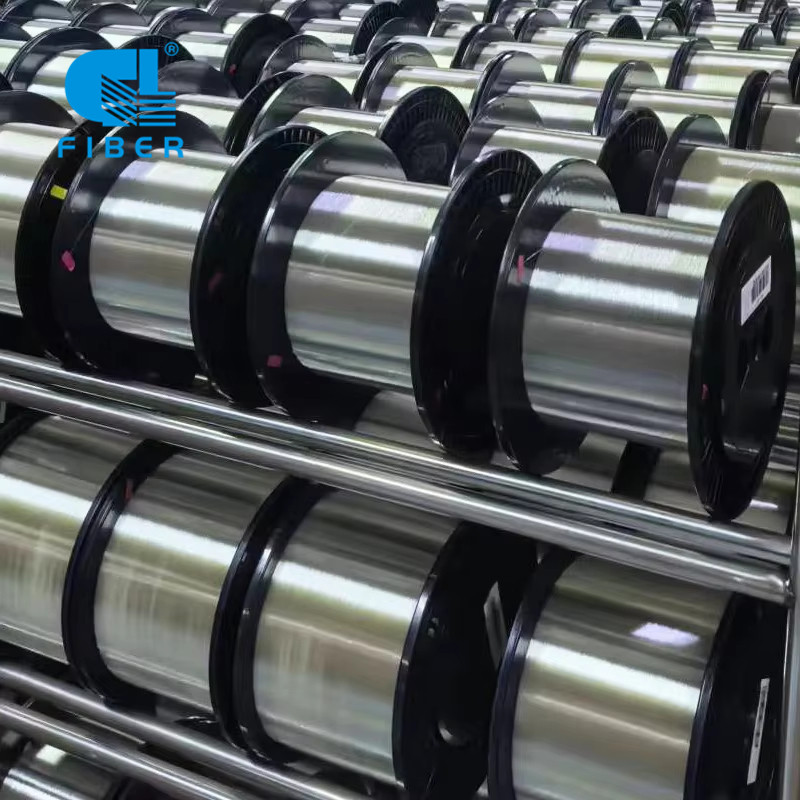
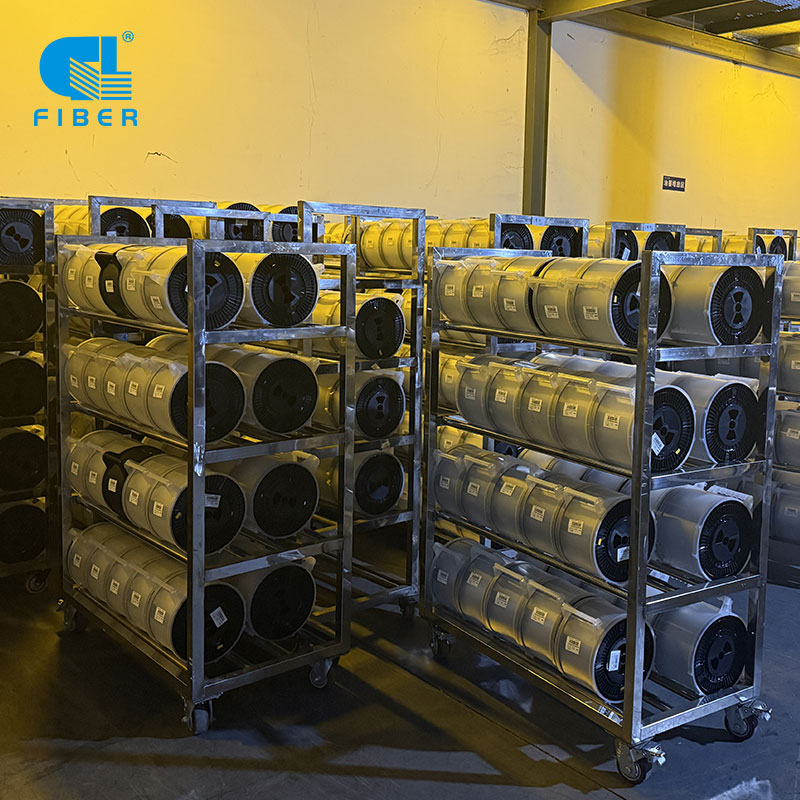
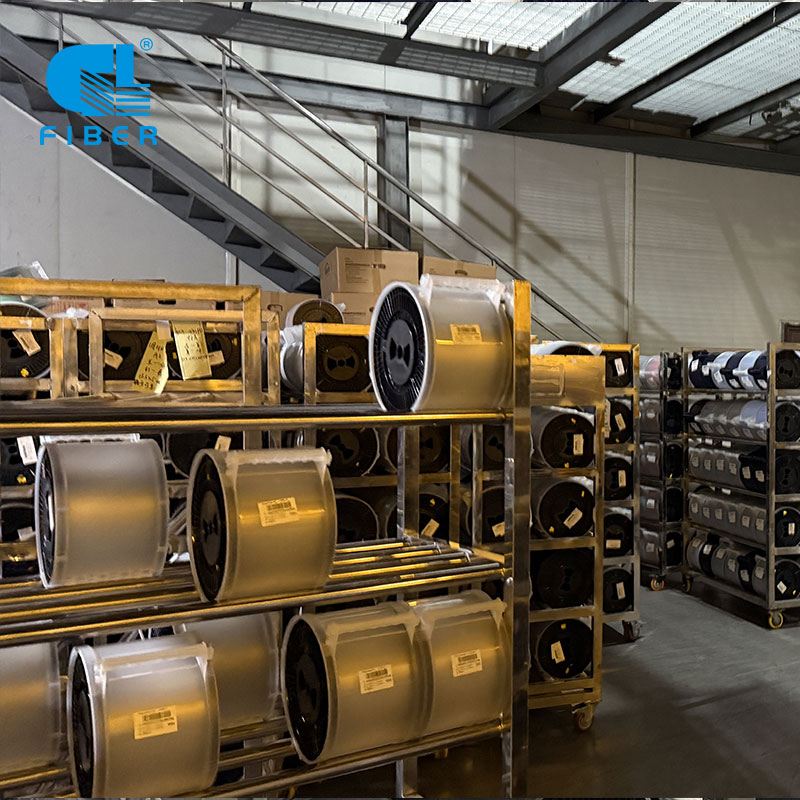
In a market where allocation still matters, working directly with manufacturers (rather than traders) ensures supply priority and authentic product. GL FIBER, with 22 years of manufacturing experience, produces both G657A2 and G657B3 fibers with full traceability.
5. Consider Long-Term Contracts
With prices stabilized in the $28–38/km range, locking in annual contracts can protect against potential future increases if demand continues to outpace supply.
Conclusion
The choice between G657B3 fiber and G657A2 fiber comes down to three factors: bend radius requirement, compatibility needs, and budget.
-
G657A2 is the workhorse for most FTTH, FTTx, and data center applications—offering excellent bend performance (7.5 mm) with full G.652.D compatibility at a moderate cost of $26–28/km.
-
G657B3 is the specialist for extreme bending scenarios (5 mm)—ideal for invisible wiring, ultra-compact devices, and environments where every millimeter matters, priced at $50–58/km.
-
For 90% of network deployments, G657A2 provides the best balance of performance, compatibility, and cost. Reserve G657B3 for projects where the 5 mm bend radius is genuinely required.
📞 *Need G657A2 or G657B3 fiber for your project? Contact
GL FIBER today for current pricing, lead times, and technical specifications. With 22 years of manufacturing excellence, we provide factory-direct quality and supply security.*



 ADSS Fiber Optic Cable
 OPGW Optical Ground Wire
 Bare Conductor
 Communication Optical Fibre
 Polarization-maintaining Fiber
 Aerial Fiber Cable
 Duct Fiber Cable
 Direct Buried Fiber Cable
 FTTH Drop Cable
 Air Blown Micro Cable
 Armored Fiber Optic Cable
 High Density Ribbon cable
 Biologically Protective Cable
 FTTX Tactical Cable
 Indoor Fiber Optic Cable
 Hybrid Fiber Optic Cable
 Fiber Optic Assemblies

 Company Profile
 Development History
 Qualification Honor
 Company Videos
 Exhibiting Overseas
 Our Solution