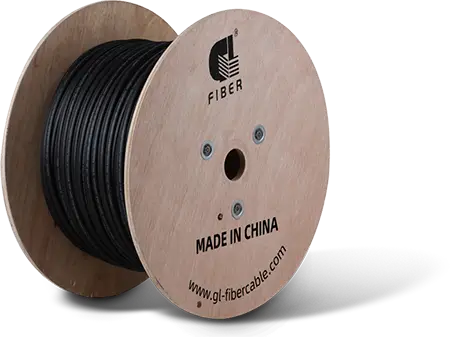
As Ukraine continues its massive infrastructure rebuild and strengthens its defense capabilities, the demand for high-performance
single mode fiber has reached unprecedented levels. For procurement professionals in the region, understanding the current market dynamics—especially regarding G657A2 fiber—is no longer just about cost efficiency; it is about securing essential supply chains.
This article analyzes the price trends driven by Ukraine’s unique market conditions, explores why G657A2 fiber has become a critical asset, and provides strategic advice for navigating this volatile landscape.
Why Ukraine Is Driving Global Fiber Demand?
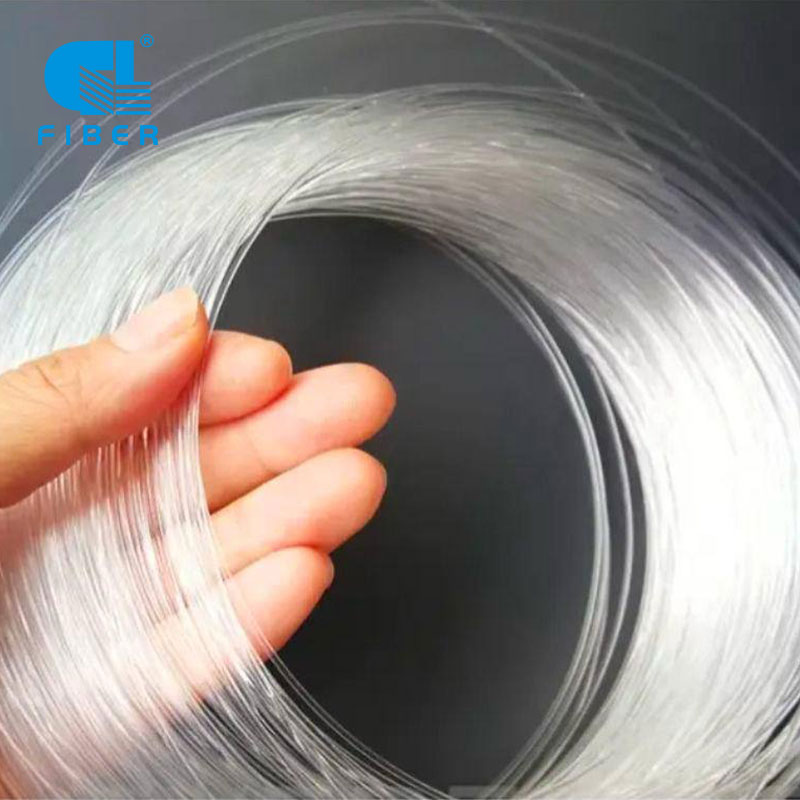
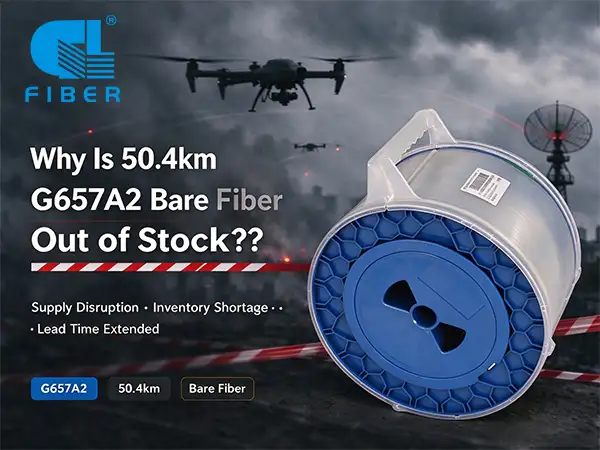
Data from early 2026 confirms that Ukraine has emerged as a key consumption hub for optical fiber. While global prices for standard G657A2 fiber have surged from approximately $35 to $210–$230 per core kilometer, the demand pressure originating from Ukraine is a significant contributing factor.
This surge is fueled by two distinct but equally critical sectors within the country:
1. Rebuilding Telecommunications Infrastructure
As part of its national recovery plan, Ukraine is deploying fiber networks at an accelerated pace to replace damaged copper infrastructure and expand high-speed internet access. This large-scale deployment has placed immense strain on the global supply of single mode fiber, with Ukrainian state-owned enterprises and private operators competing directly with international buyers for limited stock.
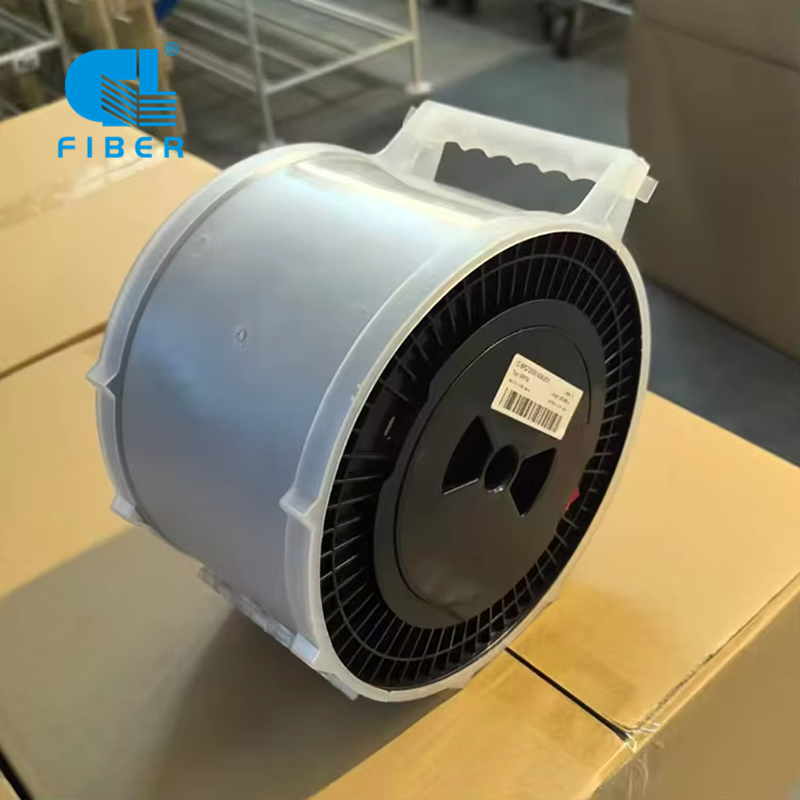
A uniquely significant source of demand comes from Ukraine’s defense sector. Fiber optic drone technology—tethered unmanned aerial vehicles that use physical fiber optic spools for jam-proof communication—has become a battlefield necessity. These drones rely exclusively on G657A2 fiber, prized for its bend-insensitive properties, which allow it to withstand the rigors of rapid deployment in combat environments.
Industry sources indicate that Ukraine is currently one of the largest end-users of fiber optic drone systems globally, consuming vast quantities of G657A2 fiber and diverting manufacturing capacity away from traditional telecom applications.
3. Global Supply Chain Constraints
On the supply side, the market is constrained by a shortage of fiber preforms—the raw material for optical fiber. Expanding preform production capacity requires high capital investment and takes 18 to 24 months. With over 60% of global fiber production concentrated in China, suppliers are operating at full capacity. Some have shifted to 100% upfront payment terms due to scarcity, a trend that directly impacts buyers in fiber optics Ukraine markets.
Market Data: Price Trends and Future Outlook
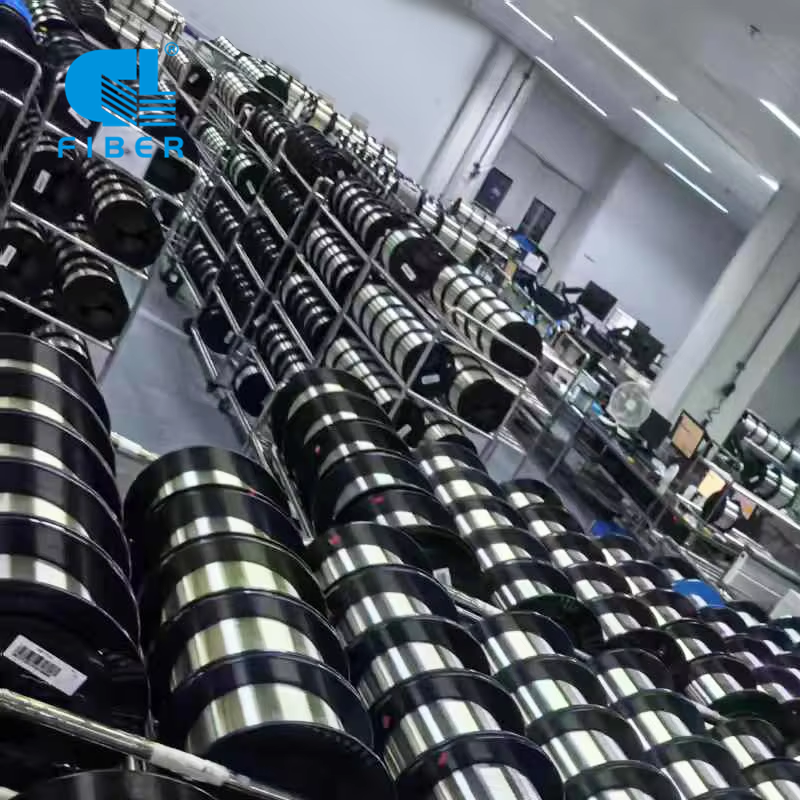
Analyzing data from industry tracking firms reveals a clear trajectory:
Current Status (Q1 2026): The market is experiencing severe supply tightness. Ukrainian telecom operators face bid cancellations as international suppliers refuse to participate in tenders with price caps that do not reflect current market realities.
Short-term Outlook (2026–2027): Prices are expected to remain high or continue rising. With preform shortages persisting and demand from Ukraine’s reconstruction and defense sectors showing no signs of slowing, the seller’s market remains firmly in place.
Long-term Outlook (2028+): Stabilization is expected as new preform manufacturing capacity comes online. However, given Ukraine’s sustained demand, the market may never return to pre-2025 price levels.
Strategic Procurement Advice: When to Buy in Ukraine
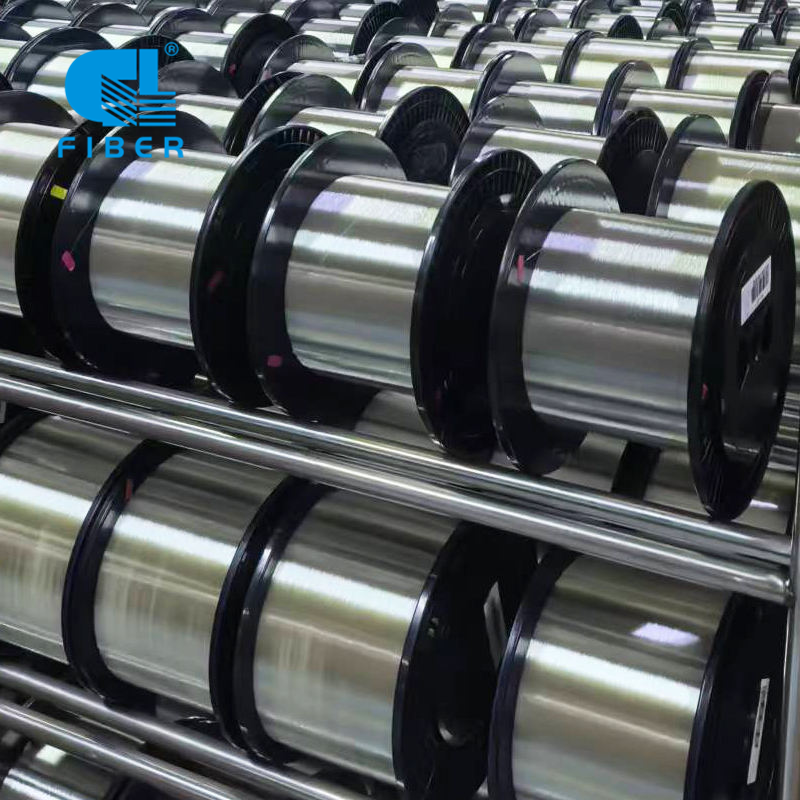
For buyers operating in or supplying to the Ukrainian market, waiting for prices to drop to previous lows is not a viable strategy. Here is how to secure supply effectively:
1. Shift from Spot Buying to Long-Term Agreements
The era of just-in-time inventory is over. With production slots fully booked and prices fluctuating weekly, waiting for spot availability leads to project delays. Establish blanket orders or forecast-based supply contracts with manufacturers to secure capacity and pricing.
2. Lock in Prices Early
The market shows a clear upward trend. Delaying a purchase by even one week could result in significantly higher costs. If you have projects slated for Q3 or Q4 of 2026, engaging with suppliers now to lock in pricing and delivery slots is a critical risk-mitigation step.
3. Partner with Vertically Integrated Manufacturers
The primary bottleneck is at the preform level. Suppliers without their own preform production capacity are the first to run out of stock. Prioritize partnerships with manufacturers that have integrated rod-to-cable capabilities. This ensures raw material availability and supply chain stability—even during global shortages.
4. Consider Stockpiling for Defense-Related Projects
Given the sustained demand from the fiber optic drone sector, G657A2 fiber will likely remain the most constrained category. If your operations involve supplying
fiber optic spools or components for defense applications, securing inventory well in advance is advisable.
Conclusion
The fiber optic market of 2026 is fundamentally shaped by converging forces: Ukraine’s infrastructure reconstruction and its tactical adoption of fiber optic drone technology. With G657A2 fiber at the center of this demand surge and preform supply struggling to catch up, prices are expected to maintain their upward trajectory through 2027.
For companies looking to secure high-quality single mode fiber, G657A2 fiber, or components for fiber optics Ukraine applications, the optimal time to act is now. Strategic buyers should move away from transactional spot purchasing and build collaborative, long-term partnerships with stable, integrated manufacturers to ensure supply chain continuity in this high-demand era.



 ADSS Fiber Optic Cable
 OPGW Optical Ground Wire
 Bare Conductor
 Communication Optical Fibre
 Polarization-maintaining Fiber
 Aerial Fiber Cable
 Duct Fiber Cable
 Direct Buried Fiber Cable
 FTTH Drop Cable
 Air Blown Micro Cable
 Armored Fiber Optic Cable
 High Density Ribbon cable
 Biologically Protective Cable
 FTTX Tactical Cable
 Indoor Fiber Optic Cable
 Hybrid Fiber Optic Cable
 Fiber Optic Assemblies

 Company Profile
 Development History
 Qualification Honor
 Company Videos
 Exhibiting Overseas
 Our Solution