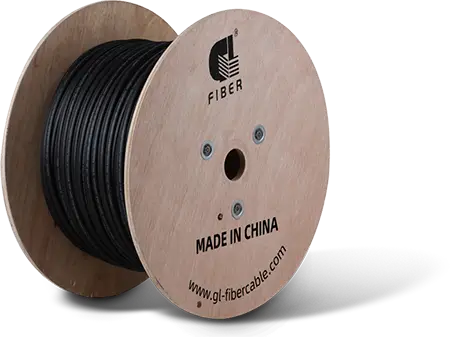
The fiber optic market in 2026 is unlike anything the industry has seen in nearly a decade. Prices are breaking records, lead times are extending, and procurement professionals searching for
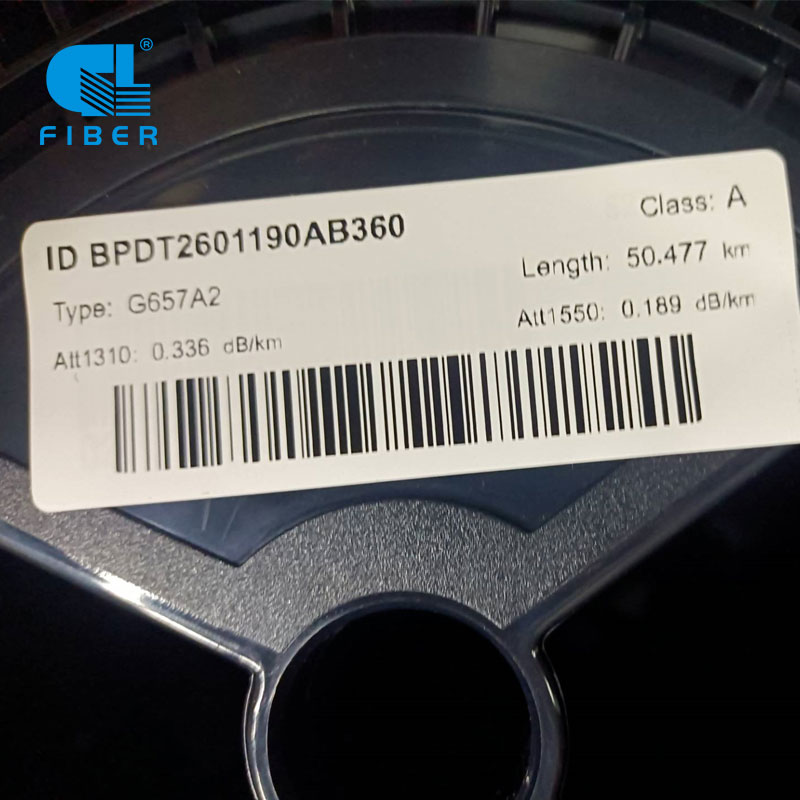
g657a2 fiber, single mode fiber, or 0.25mm optical fiber are facing unprecedented challenges. If you have sourced fiber optic spools recently, you have likely encountered skyrocketing quotes and the frustrating words: "out of stock."
This is not a temporary fluctuation. It is a structural shift driven by the convergence of AI infrastructure buildouts and geopolitical demand. This article analyzes current price trends—with a special focus on the Ukraine market—and provides actionable procurement advice for navigating this volatile landscape.
The Perfect Storm: Three Drivers Reshaping the Fiber Market
1. AI Data Centers: The New Demand Giant
Artificial Intelligence has fundamentally altered the demand curve for
optical fiber. GPU clusters require massive internal connectivity—estimates suggest AI data centers consume up to 36 times more fiber than traditional CPU-based facilities . A single rack with 72 GPUs (like NVIDIA Blackwell) requires 16 times more fiber than a conventional cloud switch .
By 2030, global data center fiber demand is projected to reach 127.6 million fiber kilometers, up from 69.6 million in 2025. This explosive growth is absorbing production capacity at an unprecedented rate.
2. The Drone Fiber Optic Revolution
The conflict in Eastern Europe has created a massive, ongoing demand for
drone fiber optic solutions. Unlike traditional radio-controlled drones, fiber-optic guided FPV drones offer anti-jamming capabilities, high bandwidth, and extended range—making them indispensable in modern warfare .
The scale is staggering. In 2025 alone:
Russia purchased 59.8 million kilometers of optical fiber (up from just 4.1 million km in 2024)
Ukraine purchased 28.4 million kilometers
Combined, the two nations accounted for over 15% of global fiber consumption in 2025
Each drone typically consumes 10 to 40 kilometers of bend-insensitive fiber (predominantly G.657.A2), and because this fiber is often not recovered after missions, it has transformed fiber from infrastructure into a consumable product .
3. The Preform Bottleneck
The root cause of the supply crunch lies upstream: optical fiber preforms. Manufacturing preforms requires massive capital investment, high technical expertise, and lengthy approval processes. Expanding capacity takes 18 to 24 months .
Currently, all major manufacturers are running at full capacity. There is no spare capacity to absorb sudden demand spikes. Compounding the issue, manufacturers are shifting production toward higher-margin specialty fibers (like G.657.A2), which reduces output of standard G.652.D fiber by 10–15% due to slower drawing speeds .
Current Price Trends: Data-Driven Analysis
The price surge that began in late 2025 has accelerated dramatically in early 2026. Here is the current market reality:
Fiber Type Late 2025 Price Current Price (March 2026) Increase
G.652.D (Standard Single Mode) ~$2.50/km (18 RMB) $12–$16/km (85–120 RMB) 325–500%
G.657.A2 (Bend-Insensitive) ~$5/km (35 RMB) $29–$33/km (210–230 RMB) 550–560%
G.654.E (Ultra-Low Loss) ~$7/km (50 RMB) $33–$36/km (240–260 RMB) 380–420%
Sources:
The
G657A2 Price Trajectory
As of today, G.657.A2 fiber is trading at $33/km—a more than sixfold increase from late 2025 levels. Industry analysts note that this is not a seasonal adjustment but a structural shift driven by AI and defense demand .
The "One Price Per Day" Phenomenon
The market has entered extreme volatility. Quotes are now often valid for only 24 hours. Delaying a purchase decision by even a week can result in paying significantly more .
Special Focus: The Ukraine Market
For businesses operating in or supplying to fiber optics ukraine, the situation is particularly critical.
Government Procurement Surge
Ukraine's Ministry of Defense has allocated over UAH 44 billion for FPV drone procurement in 2025, with a significant portion dedicated to fiber-optic models . This represents a strategic shift from long-range strike drones to FPV systems, many of which rely on
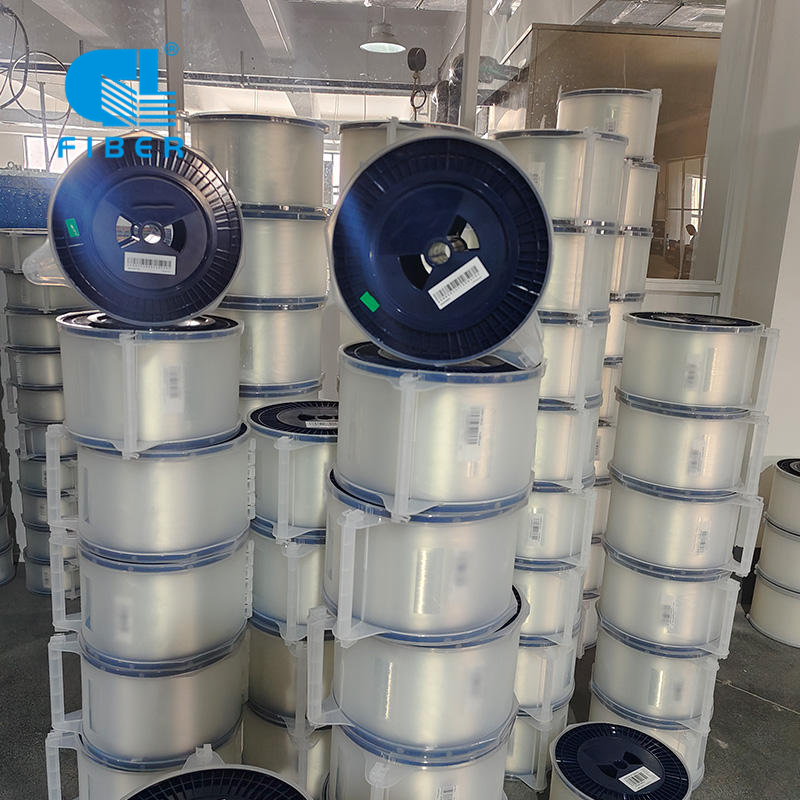
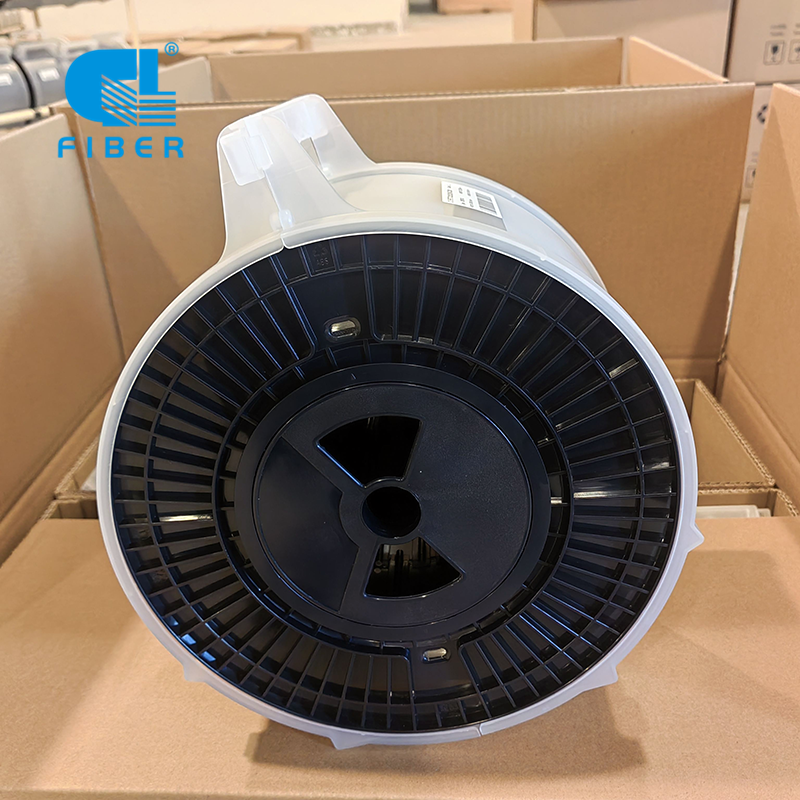
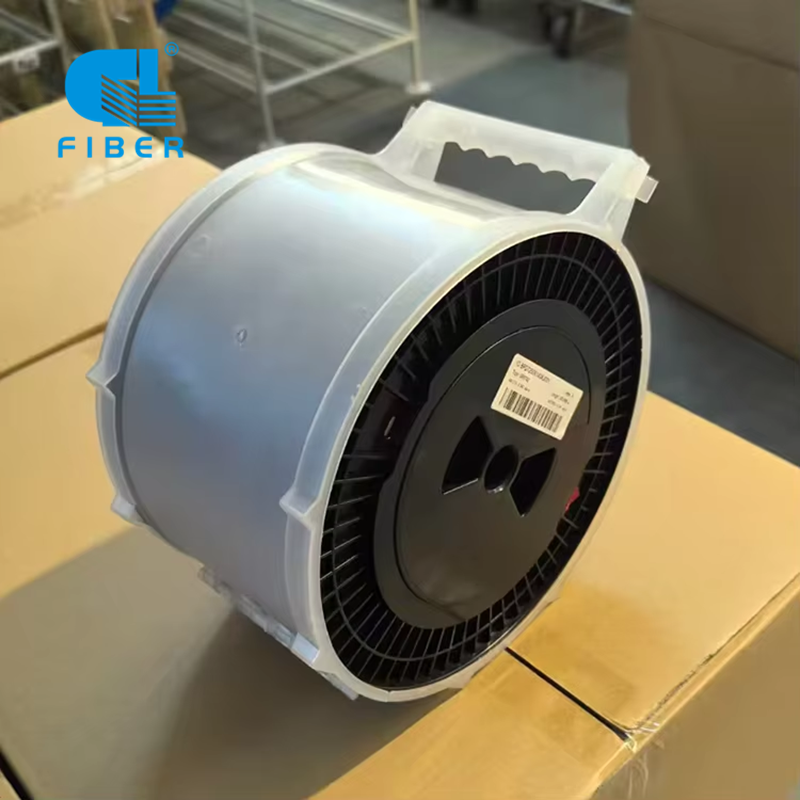
G.657.A2 fiber spools.
Supply Chain Challenges
Ukraine's domestic fiber production is limited. The country's only fiber manufacturing facility has faced operational disruptions, making it heavily dependent on imports . With global supply tight and prices rising, securing reliable supply has become a strategic priority.
Why Are Prices Still Rising?
Several factors continue to push prices upward:
-
No Immediate Relief on Supply — Preform capacity expansion requires 18–24 months. New capacity approved today won't come online until late 2027 at the earliest .
-
AI Capex Continues to Grow — Hyperscalers like Meta, Amazon, and Microsoft continue to increase AI infrastructure spending. Meta alone signed a $6 billion fiber supply deal with Corning in early 2026 .
-
Drone Demand Shows No Signs of Slowing — The conflict in Eastern Europe continues, and both sides are scaling up fiber-optic drone production .
-
Structural Production Shift — Manufacturers are prioritizing G.657.A2 over standard G.652.D, creating a capacity squeeze across all categories .
When Will Prices Drop?
According to multiple institutional analyses (CSC, Guotai Junan Securities, Everbright Securities):
-
Short Term (Q2–Q3 2026): Prices will remain high or increase further. The supply-demand gap cannot be resolved quickly .
-
Medium Term (2027): If new preform capacity is approved now, it may begin entering the market by late 2027. However, this is uncertain and depends on manufacturer investment decisions .
-
Long Term (2028+): A return to historical price levels is unlikely given the structural shift in demand from AI and defense sectors.
Strategic Procurement Advice for 2026
Given the current market conditions, here is how to optimize your fiber purchasing strategy:
1. Stop Waiting for a Price Drop
Waiting for prices to return to 2024 levels is a losing strategy. The current pricing reflects a new market reality driven by structural demand shifts, not temporary speculation .
2. Lock in Long-Term Contracts
Spot buying is the most expensive way to purchase fiber right now. Negotiate frame agreements with reliable manufacturers to secure capacity and lock in prices. This is exactly what Meta did with Corning—a strategy that ensures supply stability .
3. Partner with Source Factories
Work directly with integrated manufacturers that have their own preform and drawing capabilities. In a supply-constrained market, factories prioritize direct clients over traders and middlemen .
4. Plan Ahead for Lead Times
Current lead times have extended from 8–12 weeks to 20+ weeks . If you have projects planned for Q3 or Q4 2026, you should be placing orders now.
5. Consider Specification Flexibility
If your project can accommodate minor specification variations (such as coating color or packaging), you may be able to secure stock more quickly from available inventory.
Conclusion
The global fiber optic market has entered a historic upcycle. The convergence of AI infrastructure demand, drone fiber optic consumption, and structural supply constraints has created a sustained period of price appreciation. With G.657.A2 fiber now trading at $33/km, the market is signaling that the era of cheap fiber is over.
For procurement professionals, the path forward requires decisive action: secure long-term contracts, partner with reliable source factories, and plan ahead for extended lead times. Whether you need single mode fiber for telecom,
0.25mm optical fiber for specialized applications, or fiber optic spools for drone programs, proactive procurement is essential to mitigate cost risks in this volatile market.



 ADSS Fiber Optic Cable
 OPGW Optical Ground Wire
 Bare Conductor
 Communication Optical Fibre
 Polarization-maintaining Fiber
 Aerial Fiber Cable
 Duct Fiber Cable
 Direct Buried Fiber Cable
 FTTH Drop Cable
 Air Blown Micro Cable
 Armored Fiber Optic Cable
 High Density Ribbon cable
 Biologically Protective Cable
 FTTX Tactical Cable
 Indoor Fiber Optic Cable
 Hybrid Fiber Optic Cable
 Fiber Optic Assemblies
 Company Profile
 Development History
 Qualification Honor
 Company Videos
 Exhibiting Overseas
 Our Solution