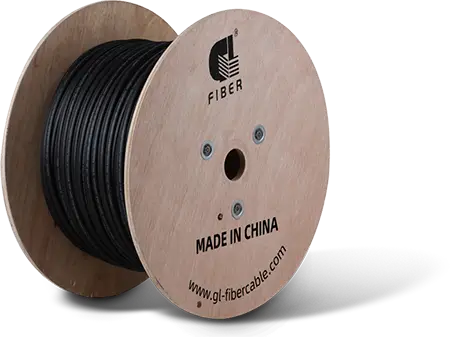
The market for G657A2 FPV drone optic fiber has entered extraordinary territory. Fiber-optic guided drones—immune to electronic jamming—have become essential in modern defense applications, with each mission consuming 20–40 kilometers of specialized optic bare fiber . This has transformed FPV drone bare fiber from infrastructure into pure consumable demand, creating unprecedented market tightness.
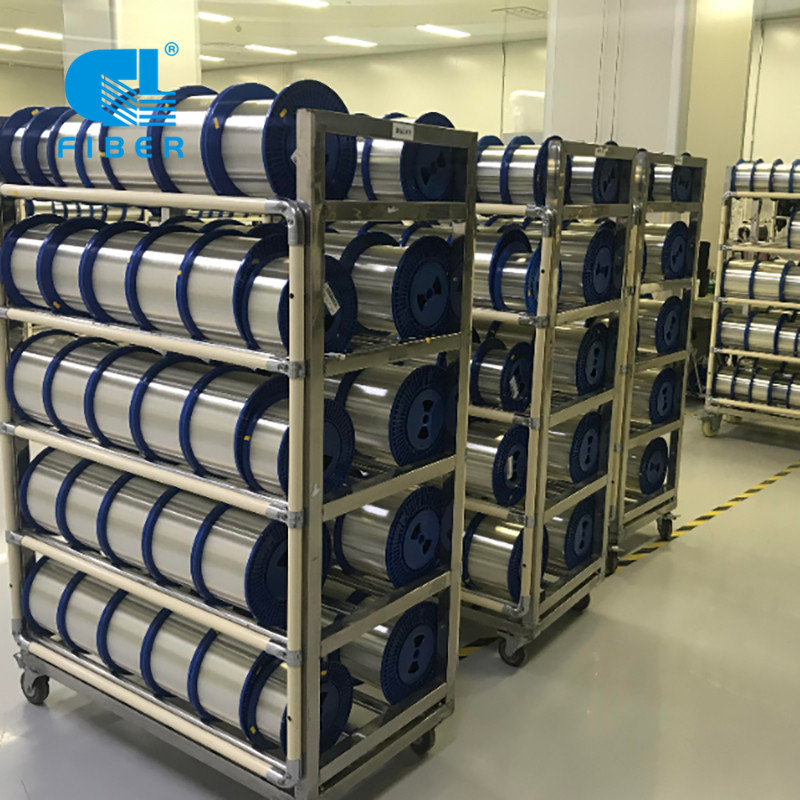
For buyers sourcing
50.4km g657a2 fiber or fiber optic spool products, understanding the market landscape—including China‘s evolving export controls—is now as critical as verifying product quality.
📊 Market Reality: Prices, Demand & China’s Export Dominance
Current Pricing (Mid-2026)
Fiber Type Key Application Current Price Range Increase Since Jan 2026
G.657.A2 FPV Drones, AI Data Centers $26.5–33/km +500–560%
G.657.A1 FTTH, General Bend-Insensitive $16.50–19.50/km +400–490%
G.652.D Standard Telecom $12–17/km +380–550%
Source: Industry data, May–June 2026
GL FIBER‘s current pricing: $26.5/km on 50.4km spools – genuine G.657.A2, factory-direct.
China’s Export Data & Global Ranking
China dominates the global fiber optic market with over 60% market share, led by four major manufacturers often called the “fiber optics champions” . In February 2026 alone:
-
China exported 3,779.9 tons of optical fiber – a 63.6% year-over-year increase
-
Export value grew 126.8%, reaching approximately 2,520万 core-km
-
65% of China‘s fiber production is exported
Top Export Destinations for Chinese Fiber
Global import data shows the largest consuming countries include the United States, China, Japan, Germany, Republic of Korea, Poland, and Ukraine . For drone-specific
G.657.A2 fiber, key demand markets include:
-
Ukraine – Major end-user of fiber-optic drone systems, allocated UAH 44 billion for FPV drone procurement
-
Poland – Key logistics hub and defense supply chain partner
-
Germany – Growing defense technology sector
-
Japan & South Korea – Advanced drone and AI infrastructure development
-
China Taiwan – Semiconductor and electronics supply chain integration
⚠️ China’s Export Controls: What Buyers Must Know
China has implemented strict export control regulations on dual-use items—goods with both civilian and military applications . The Ministry of Commerce requires export licenses for items that could be used for military purposes, and violations may result in legal accountability .
Materials That Affect Fiber Production
China‘s export controls extend to rare earth elements used in optical fiber manufacturing. As of November 2025, materials including:
Erbium (used in fiber amplifiers and optical fiber materials)
Ytterbium (used in fiber materials and optical coatings)
Holmium, Thulium, Europium
...are subject to strict licensing requirements .
Practical Impact on G.657.A2 Fiber Supply
While bare optical fiber itself is not directly listed as a controlled item, the broader regulatory environment means:
Licensing reviews are more rigorous – Exporters must demonstrate compliance
Lead times are extended – Documentation and approvals add time
Transparency is essential – Buyers should work with suppliers who maintain proper export records
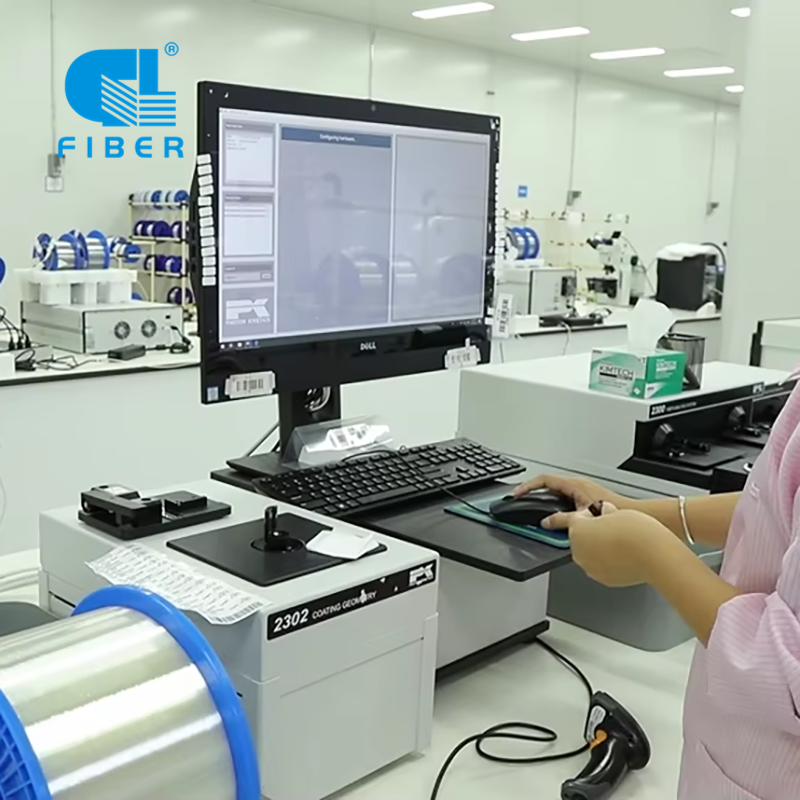
🛒 Procurement Advice: Smart Sourcing & Risk Management
Based on GL FIBER‘s 22+ years of manufacturing experience, here is how to navigate this complex landscape.
1. Verify Your Supplier‘s Export Compliance
✅ Ask for export license documentation
✅ Confirm batch traceability and country of origin
✅ Ensure your supplier has experience shipping to your destination country
2. Understand Market Price Reality
When legitimate suppliers quote $26.5–33/km** for G.657.A2, offers at **$15–18/km should raise immediate red flags—they are almost certainly G.657.A1 substituted for A2 or untested counterfeit product .
3. Partner with Source Factories, Not Traders
In a supply-constrained market with regulatory scrutiny, source factories offer:
-
Direct allocation – Priority for direct clients
-
Regulatory transparency – Proper export documentation
-
Quality assurance – Full in-house testing and traceability
4. Plan for Extended Lead Times
Current lead times have extended from 8–12 weeks to 20+ weeks . Orders for Q3–Q4 2026 projects should be placed now.
5. Watch for Warning Signs
Red Flag What It Means
“No export documentation available” Likely non-compliant or counterfeit
Unrealistically low pricing A1 fiber or untested product
“Factory visits not possible” Hiding something – legitimate manufacturers welcome transparency
“100% upfront required” from unknown supplier High scam risk
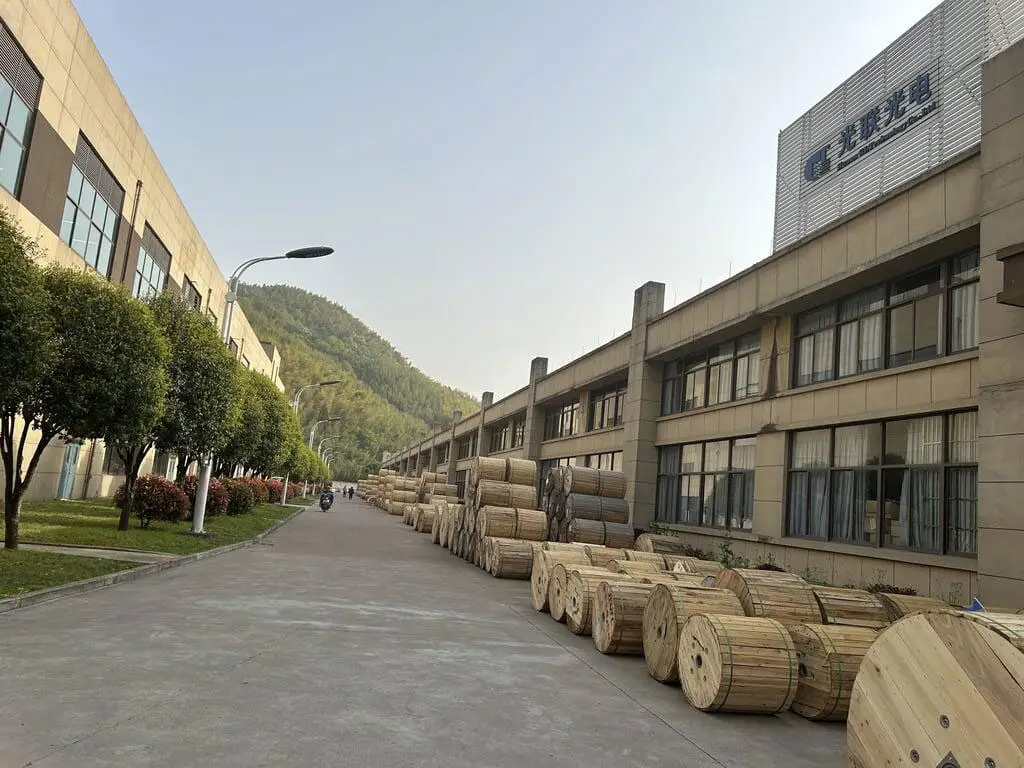
✅ Why GL FIBER?
22+ years of fiber optic manufacturing
Source factory with full preform and drawing capacity
ISO9001, ISO14001, OHSMS18001 certified
550+ employees, 70% in technical and R&D roles
$26.5/km on 50.4km spools – genuine G.657.A2
Complete transparency – factory visits and video calls welcome



 ADSS Fiber Optic Cable
 OPGW Optical Ground Wire
 Bare Conductor
 Communication Optical Fibre
 Polarization-maintaining Fiber
 Aerial Fiber Cable
 Duct Fiber Cable
 Direct Buried Fiber Cable
 FTTH Drop Cable
 Air Blown Micro Cable
 Armored Fiber Optic Cable
 High Density Ribbon cable
 Biologically Protective Cable
 FTTX Tactical Cable
 Indoor Fiber Optic Cable
 Hybrid Fiber Optic Cable
 Fiber Optic Assemblies
 Company Profile
 Development History
 Qualification Honor
 Company Videos
 Exhibiting Overseas
 Our Solution