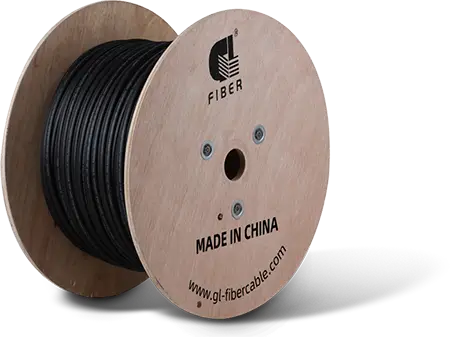
If you have checked g657a2 fiber price quotes this week, you already know: prices are climbing faster than anyone predicted. As of April 2026,
optical fiber g657a2 is trading at $33/km—a staggering 560% increase since January 2026.
For procurement professionals sourcing
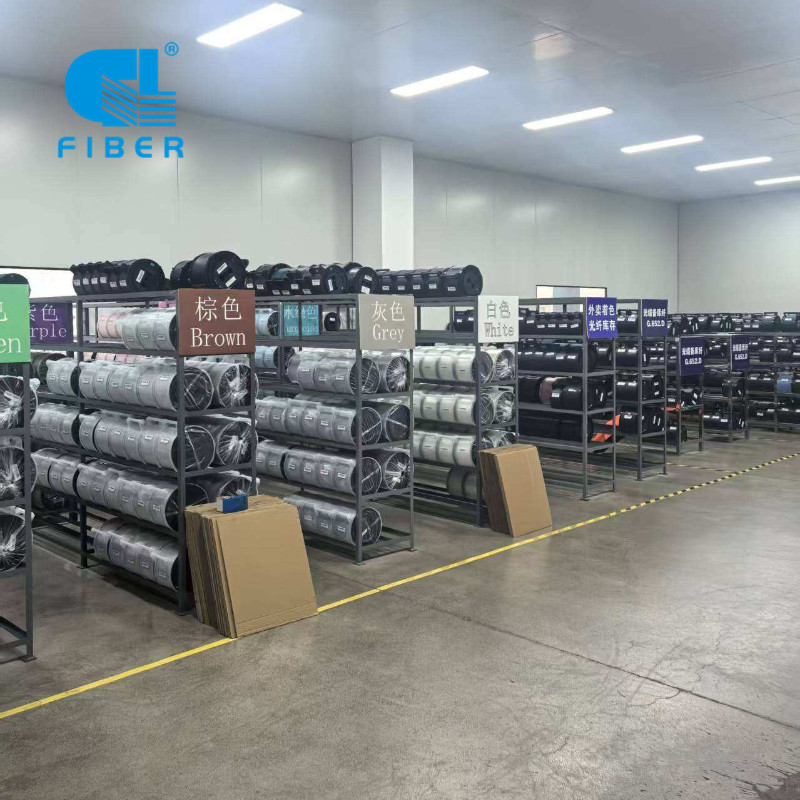
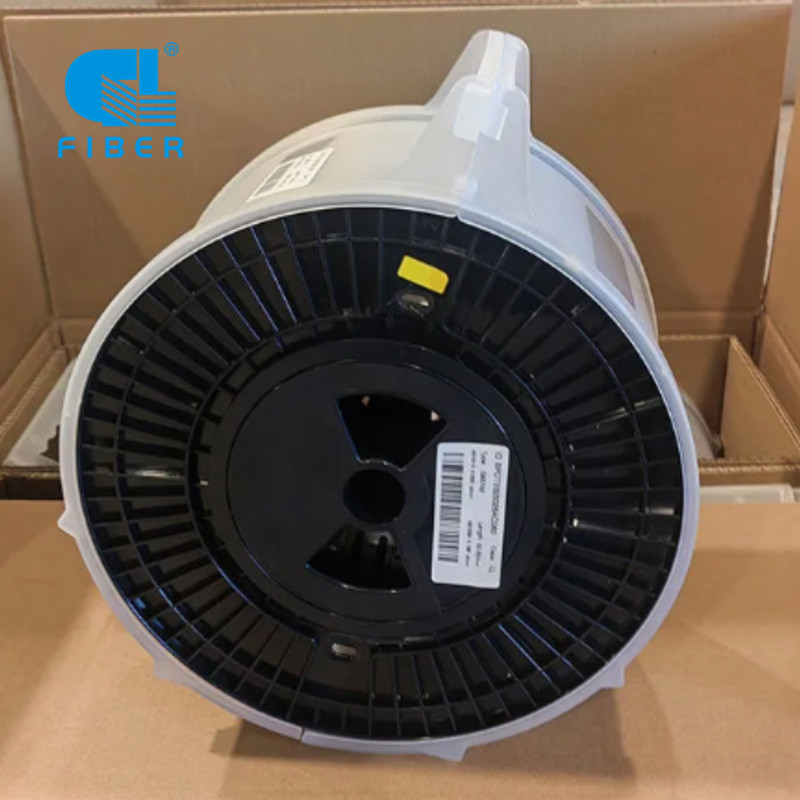
fiber optic spools,
single mode fiber, or fiber cable ukraine, this is not a temporary spike. It is a structural shift driven by two powerful forces: AI data centers and the rapidly expanding drone optical fiber sector.
This article analyzes current price trends for G657A2, G657A1, and G652D—with a special focus on the optic fiber ukraine market—and provides actionable procurement advice.
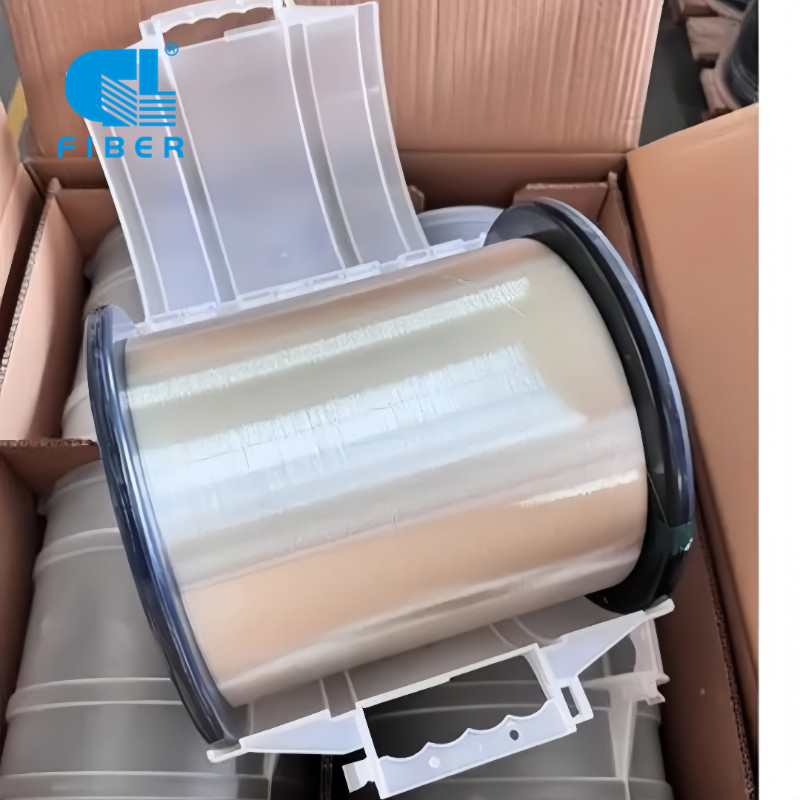
Current Price Trends: G657A2, G657A1 & G652D
Based on market data from March–April 2026, here is where prices stand:
Fiber Type January 2026 Price Current Price (April 2026) Increase
G.652.D (Standard Single Mode) ~$2.60/km $12–$17/km +380–550%
G.657.A1 (Bend-Insensitive) ~$3.30/km $16.50–$19.50/km +400–490%
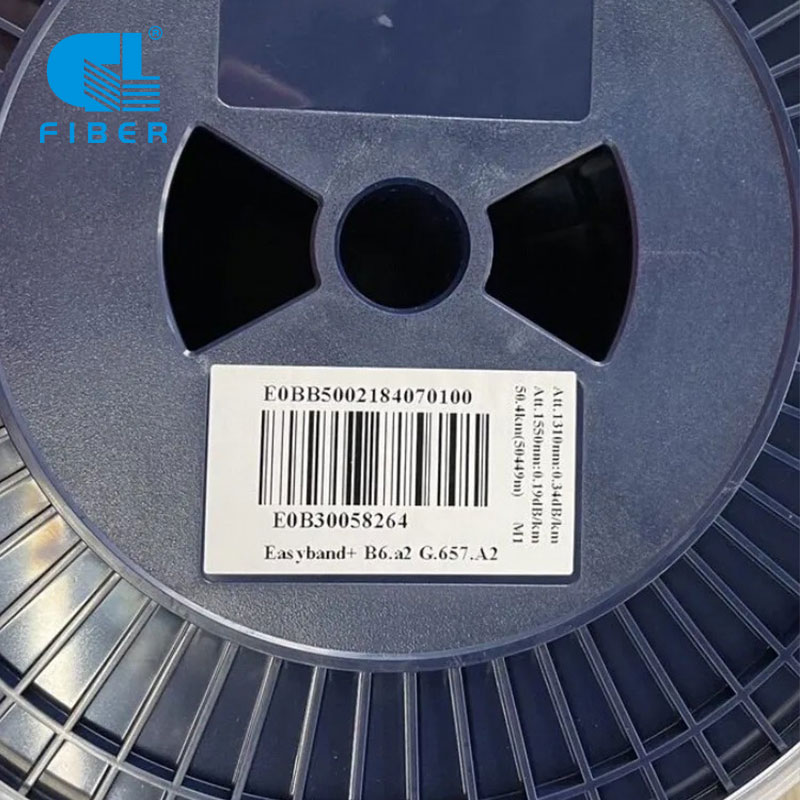
G.657.A2 (High-Performance) ~$5/km $30–$33/km +500–560%
G.657.A2 fiber price has led the surge, with spot quotes now reaching $33/km. Some analysts predict prices could test $35–$38/km by mid-2026 if current demand trajectories hold.
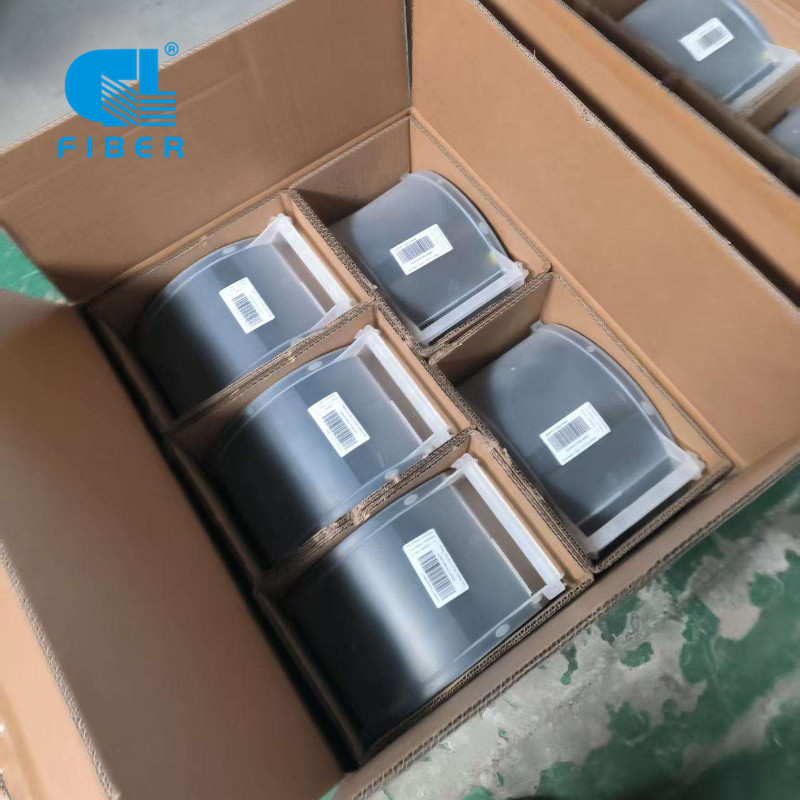
Why Is G657A2 Leading the Surge?
G.657.A2 is the preferred fiber for two critical applications:
Drone optical fiber – Its superior bend resistance allows it to be wound onto tiny spools without signal loss.
AI data centers – Essential for high-density cabling in tight server racks.
This dual demand creates intense competition for the same limited supply.
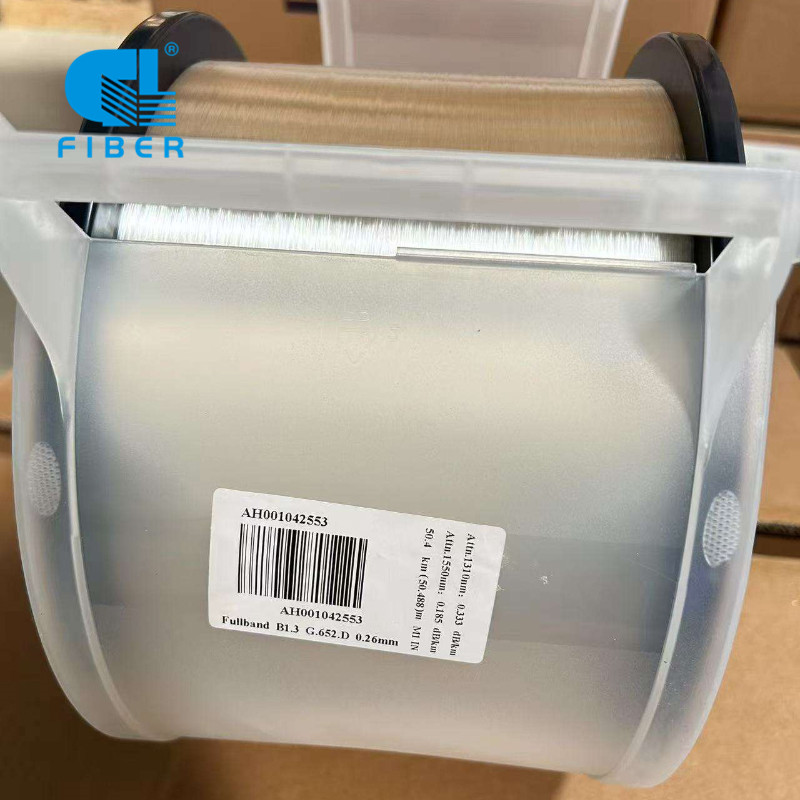
Market Demand: Two Engines Driving the Crisis
1. The Drone Fiber Optic Revolution in Ukraine
Eastern Europe has become a major demand center for specialized drone optical fiber. Fiber-optic guided drones are immune to electronic countermeasures and have become essential in modern defense technology. Each unit consumes 20–40 kilometers of specialized fiber—and because the fiber is often not recovered, this represents pure consumable demand.
Key Ukraine Market Data:
-
The Ukrainian government has significantly increased procurement of FPV drones, including fiber-optic models.
-
Tax benefits have been enacted for manufacturers supplying the country's defense forces, including import duty and VAT exemptions on optical fiber components.
-
Imports of cable products to Ukraine increased 13.8% year-over-year to $46.3 million in January 2026, with China as the largest supplier.
-
Export prices for fiber to the region have reportedly increased 2.5 to 4 times since early 2025.
-
The impact on optic fiber ukraine supply chains has been profound, with reliable access becoming a strategic priority.
2. AI Data Centers: The New Demand Giant
Simultaneously, AI infrastructure is consuming fiber at an unprecedented rate:
-
A single GPU cluster requires up to 10 times more fiber than traditional data centers.
-
AI-driven fiber demand is projected to grow from under 5% of the global market (2024) to 35% by 2027.
-
Major cloud providers (Amazon, Microsoft, Google, Meta) have committed over $600 billion in 2026 capital expenditures, mostly for AI infrastructure.
-
Meta alone signed a $6 billion fiber supply deal with Corning in early 2026. This is not retail demand—it is hyperscale consumption.
Why Are Prices Still Rising? The Supply Bottleneck
The Preform Constraint
The root cause lies upstream: optical fiber preforms account for approximately 70% of production costs and require 18–24 months to expand capacity.
Current capacity reality:
Every major global preform manufacturer is running at 100% capacity.
New capacity approved today won't come online until late 2027 at the earliest.
The G657A2 Production Penalty
Producing G.657.A2 fiber requires 10–15% more production time per kilometer than standard G.652.D. As manufacturers shift lines to meet urgent A2 demand, overall industry output actually shrinks.
The Capacity Squeeze Effect
Manufacturers prioritizing high-margin
G.657.A2 creates a supply vacuum for G.652.D. This explains why even standard single mode fiber prices have surged 380–550%.
Price Forecast: When Will Prices Drop?
According to multiple institutional analyses (CSC, Guotai Junan Securities, Everbright Securities, Guosheng Securities):
Timeframe Forecast
-
Q2–Q3 2026 Prices will remain high or continue rising. Quotes often expire within 24 hours.
-
Q4 2026 High plateau. Meaningful declines are unlikely this year.
-
2027 New preform capacity may begin entering the market by late 2027—but this is uncertain.
-
2028+ A return to 2024 price levels is unlikely given structural demand shifts.
-
The 2026 supply-demand gap is estimated at 16.4% of global demand—a deficit unseen in nearly a decade.
Strategic Procurement Advice for 2026
1. Stop Waiting for a Price Drop
Waiting for prices to return to 2024 levels is a losing strategy. The current pricing reflects a new market reality driven by AI and defense technology demand, not temporary speculation.
2. Lock in Long-Term Capacity Now
The era of just-in-time purchasing is over. If you have projects planned for Q3 or Q4 2026, place orders now. This is exactly what Meta did with Corning—securing supply through long-term contracts.
3. Partner with Source Factories, Not Traders
In a supply-constrained market, traders cannot guarantee allocation. Working with a true source factory that controls its own preform and drawing capacity provides:
Price stability – Factory-direct pricing eliminates middleman markups.
Supply visibility – Direct insight into production slots.
Allocation priority – Factories prioritize direct clients.
4. Plan for Extended Lead Times
Current lead times have extended from 8–12 weeks to 20+ weeks. Orders for Q3–Q4 2026 projects should be placed now.
5. Watch for Warning Signs
When legitimate suppliers are quoting $33/km, offers at $15–18/km should immediately raise red flags:
Unrealistic pricing significantly below market rates.
Pressure tactics with no verifiable inventory.
Inability to provide factory visits or video calls.
Requests for 100% upfront payment without established relationship.
Special Focus: The Ukraine Market
For buyers focused on fiber optics in ukraine or fiber cable ukraine, the situation requires immediate attention.
Key Dynamics
-
Government-driven demand – Significant procurement budgets allocated for FPV drones, with fiber-optic models prioritized.
-
Tax benefits enacted – Import duty and VAT exemptions for drone manufacturers supplying defense forces.
-
Import dependency – Ukraine remains heavily dependent on imports, primarily from China.
-
Price multiplier – Export prices for fiber to the region have increased 2.5–4 times since early 2025.
Procurement Recommendation for Ukraine Buyers
Given the strategic importance of drone fiber optics in ukraine for defense applications:
-
Secure allocation now – Government demand will continue prioritizing military supply chains.
-
Work with verified suppliers – Ensure your partner can provide necessary documentation for customs benefits.
-
Budget for escalation – Assume $30–$35/km range for G.657.A2 for the remainder of 2026.
Conclusion
The global fiber optic market has entered uncharted territory. The convergence of AI infrastructure build-outs and the rapidly growing drone optical fiber sector—dramatically highlighted by demand from Ukraine—has created a genuine supply-demand imbalance.
With
G.657.A2 fiber price now at $33/km and new preform capacity not expected until late 2027, waiting is not a viable strategy. Whether you need single mode fiber for telecom, fiber optic spools for AI data centers, or fiber cable ukraine for defense technology projects, the time to secure your supply chain is now.
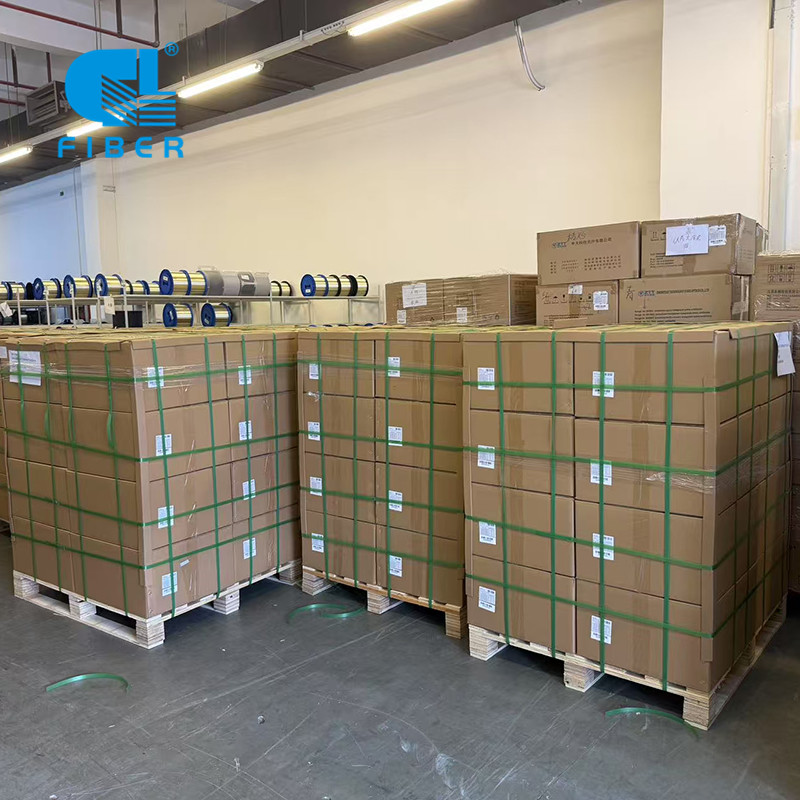
*Need real-time pricing or supply availability? Contact us today for current quotes and lead time information. We maintain substantial G.657.A2 inventory and offer source-factory direct pricing.*



 ADSS Fiber Optic Cable
 OPGW Optical Ground Wire
 Bare Conductor
 Communication Optical Fibre
 Polarization-maintaining Fiber
 Aerial Fiber Cable
 Duct Fiber Cable
 Direct Buried Fiber Cable
 FTTH Drop Cable
 Air Blown Micro Cable
 Armored Fiber Optic Cable
 High Density Ribbon cable
 Biologically Protective Cable
 FTTX Tactical Cable
 Indoor Fiber Optic Cable
 Hybrid Fiber Optic Cable
 Fiber Optic Assemblies
 Company Profile
 Development History
 Qualification Honor
 Company Videos
 Exhibiting Overseas
 Our Solution