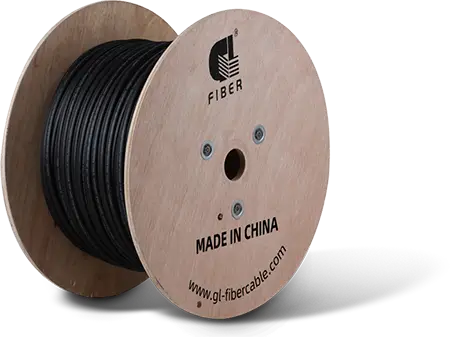
As a factory specializing in optical fiber manufacturing, we often hear the same question from FTTH project buyers: "Can we just keep using
G.652D fiber?"
The short answer: not if you want lower installation costs and higher network reliability.
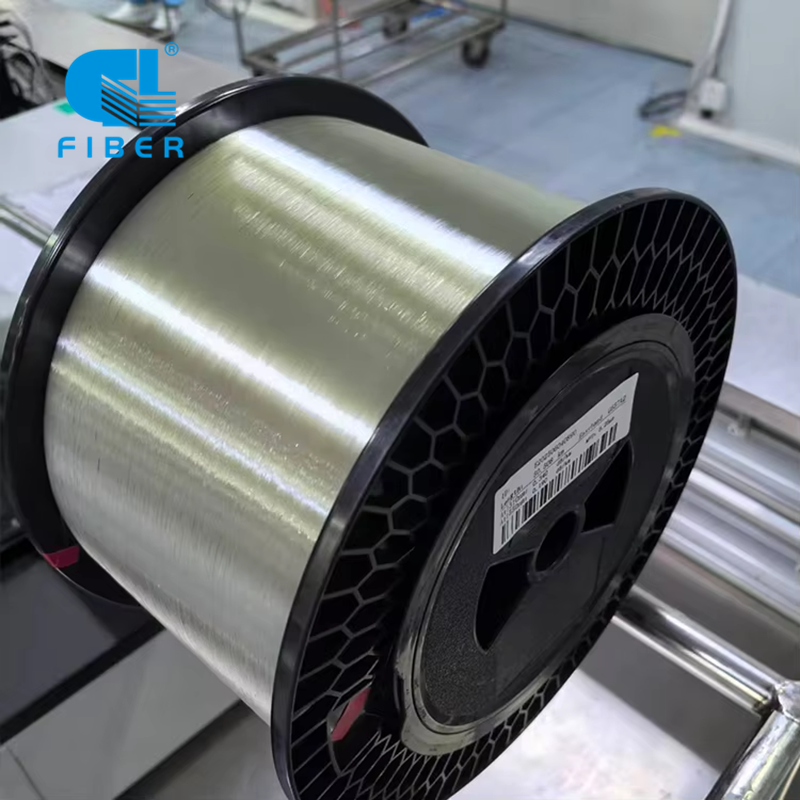
G.652D vs G.657B3 – the key difference
G.652D fiber works well in straight-line or low-bend scenarios, but fails in tight spaces like apartment buildings, indoor corners, or small junction boxes.
G.657B3 fiber is designed for 5mm ultra-small bending radius – more than 3x better than standard G.652D.
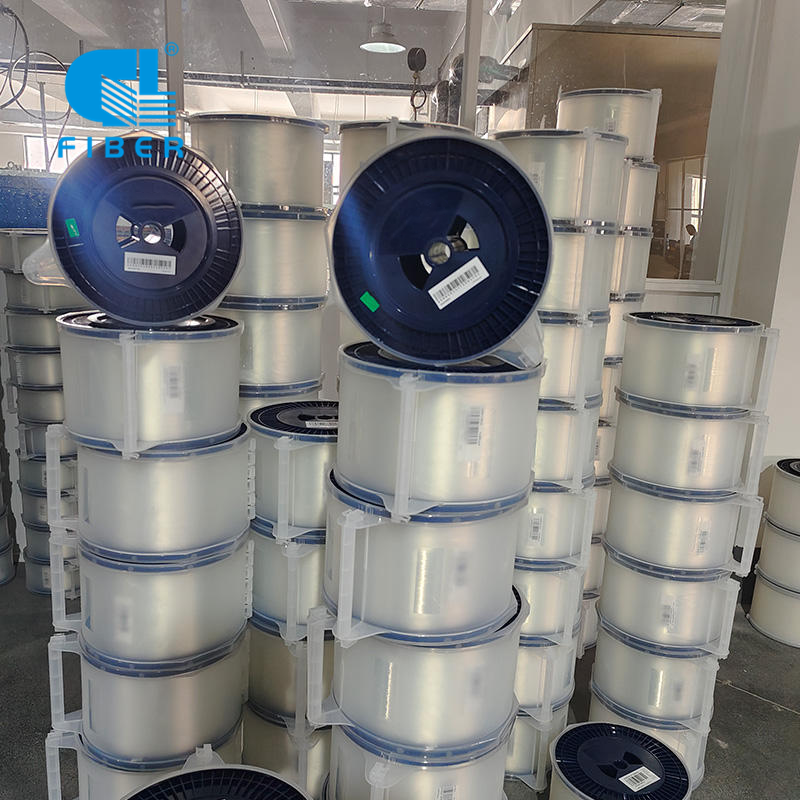
Why bend insensitive fiber matters for FTTH?
Easier installation
No more worrying about signal loss when bending fiber around door frames, staircases, or inside wall outlets.
Lower maintenance cost
Fewer micro-bend failures mean fewer service callbacks – especially critical for large FTTH rollouts.
Full compatibility with G.652D
Our G.657B3 fiber can be spliced directly to existing G.652D networks with no extra adapters or signal conversion.
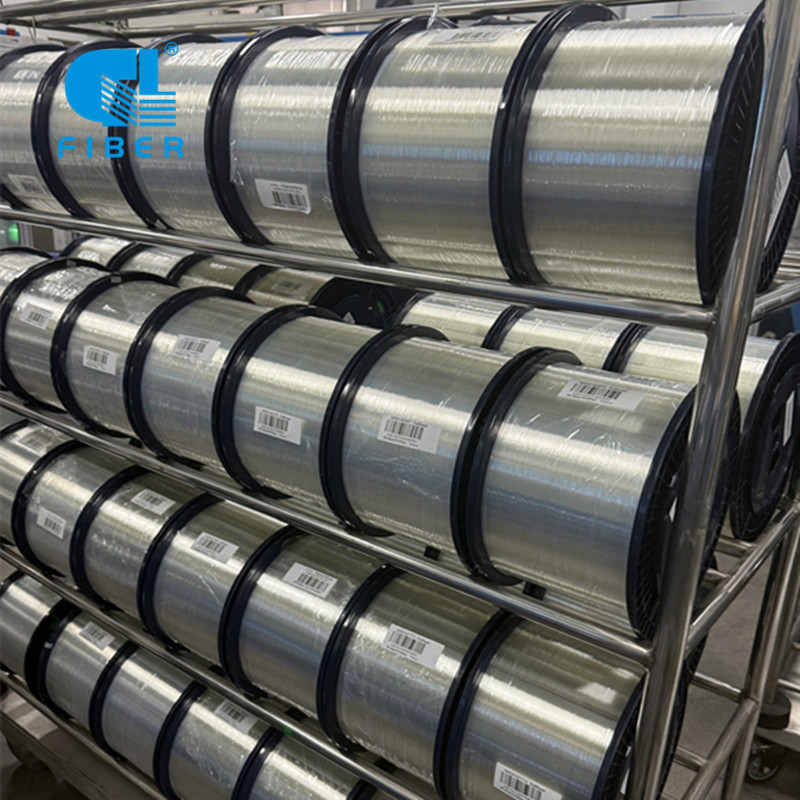
From factory to your FTTH project
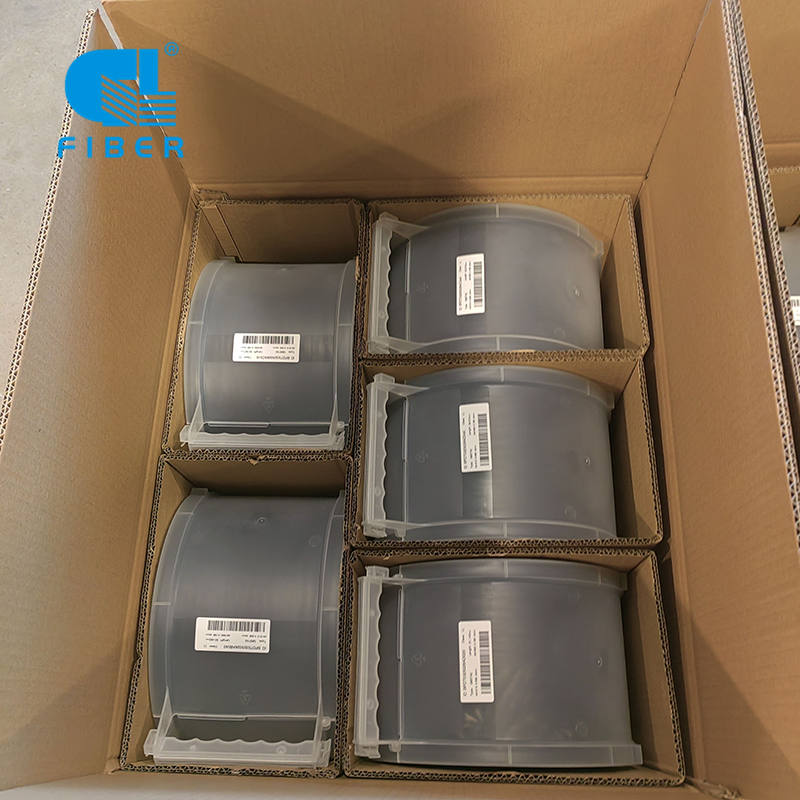
We supply G.657B3 fiber at factory-direct prices (≈¥260/km, or $36/km), with:
ITU-T G.657.B3 compliance
Attenuation ≤0.2dB/km @1550nm
MOQ from 100km
Free samples for qualified projects
Conclusion
If you are deploying FTTH in dense urban or indoor environments,
G.657B3 is no longer a “nice to have” – it is a standard you should adopt.
Contact us for G.657B3 pricing and samples!Email:
sales@gl-fibercable.com; Whatsapp: +8619330899962.



 ADSS Fiber Optic Cable
 OPGW Optical Ground Wire
 Bare Conductor
 Communication Optical Fibre
 Polarization-maintaining Fiber
 Aerial Fiber Cable
 Duct Fiber Cable
 Direct Buried Fiber Cable
 FTTH Drop Cable
 Air Blown Micro Cable
 Armored Fiber Optic Cable
 High Density Ribbon cable
 Biologically Protective Cable
 FTTX Tactical Cable
 Indoor Fiber Optic Cable
 Hybrid Fiber Optic Cable
 Fiber Optic Assemblies
 Company Profile
 Development History
 Qualification Honor
 Company Videos
 Exhibiting Overseas
 Our Solution