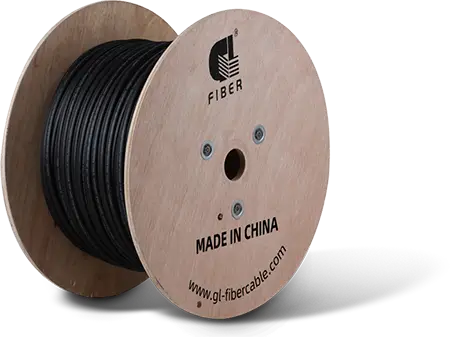
Navigating the landscape of optical communication requires a deep understanding of its core component: the single mode fiber. With evolving standards like G.652.D, G.657.A1, and G.657.A2, selecting the optimal fiber is pivotal for network performance and longevity. This guide explores their distinct characteristics, helping you identify the best fit for your application.
Core Fiber Technologies: A Closer Look
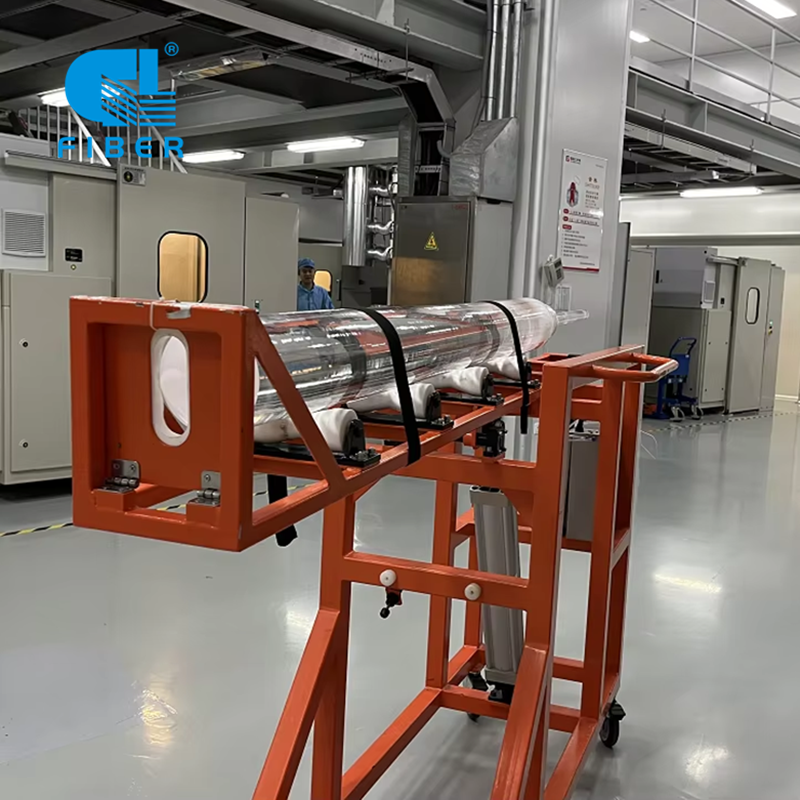
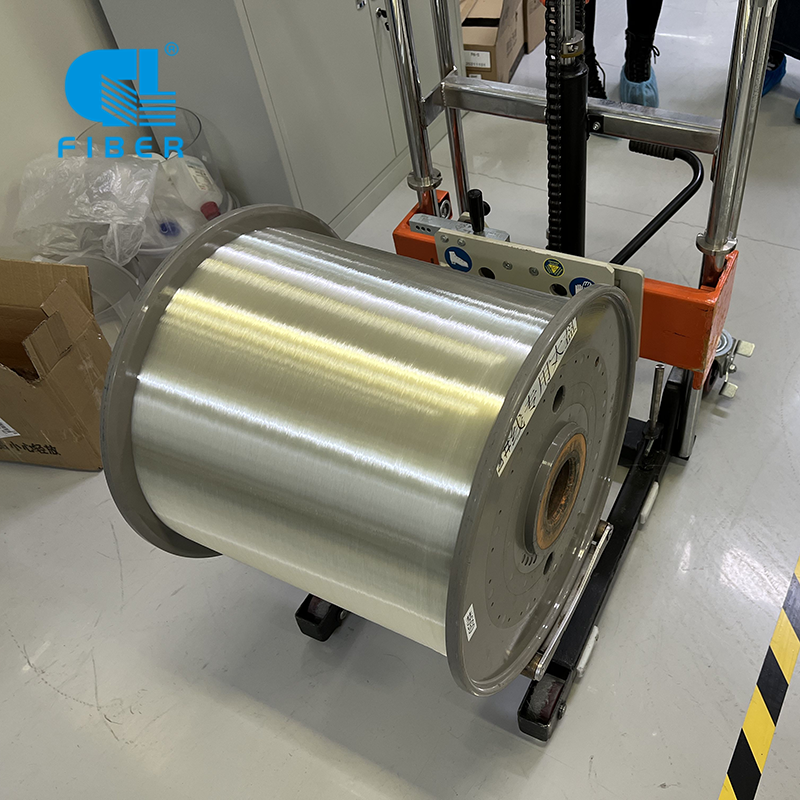
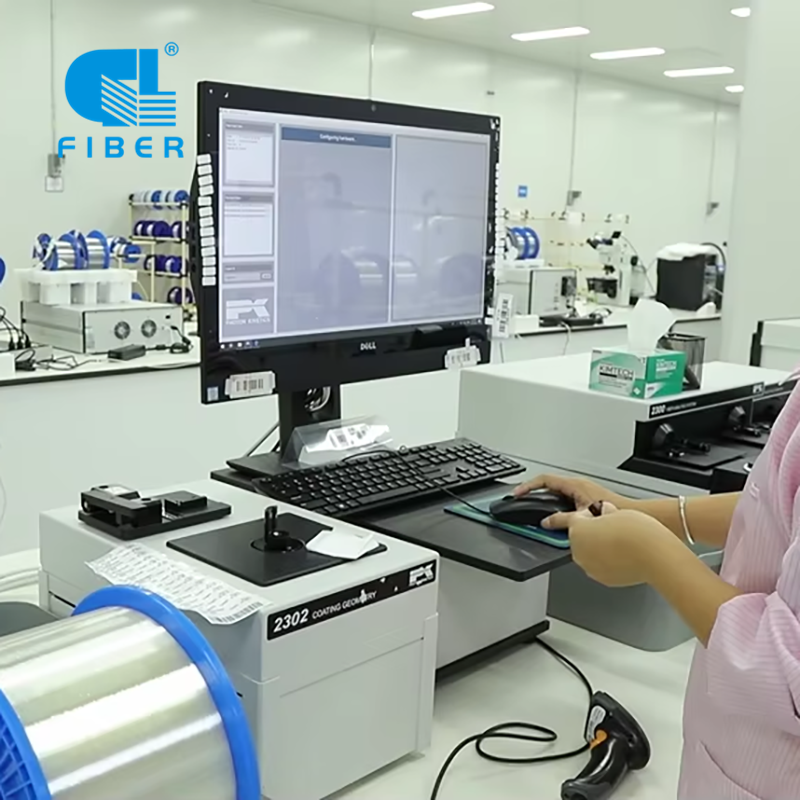
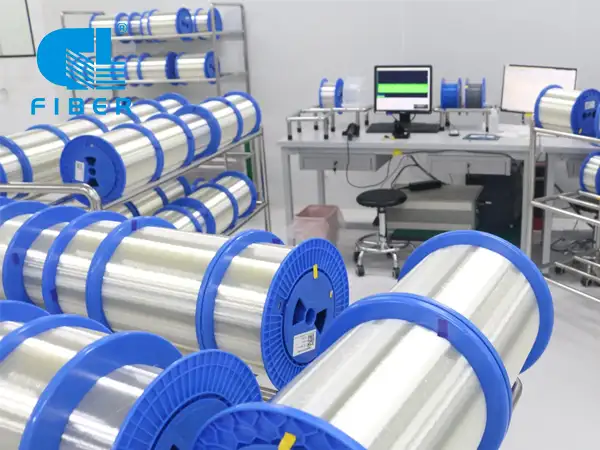
Every high-speed network relies on the pristine quality of bare optical fiber. This transparent optical fiber, crafted from ultra-pure raw material fiber, acts as the data highway. At GL FIBER, our two decades of specialization in producing these foundational elements ensure that every strand, from G652D fiber to advanced G657A2 fiber, delivers unmatched signal integrity and reliability.
Performance Analysis: Key Fiber Standards Compared
-
As the most widely deployed standard, G.652.D is the backbone of global networks.
-
Technical Profile: Optimized for operation at 1310nm, 1550nm, and 1625nm wavelengths with low attenuation and zero-dispersion near 1310nm.
-
Bend Performance: Designed for conventional installations. It performs reliably in straight runs but is not optimized for tight bending scenarios.
-
Best Use Cases: Long-distance backbone networks, metropolitan ring systems, and applications where the fiber path is largely controlled and bend-insensitive properties are not a primary concern.
2. G.657.A1 Fiber: The Versatile Performer for Modern Deployments
-
This category represents a significant upgrade in flexibility without sacrificing compatibility.
-
Technical Profile: Fully compliant and interoperable with G.652.D fibers, making network upgrades and splicing seamless.
-
Bend Performance: Features enhanced macrobend resistance, supporting a bend radius as low as 10mm. This reduces signal loss in moderately constrained spaces.
-
Best Use Cases: An excellent choice for Fiber-to-the-Home (FTTH) drop cables, indoor/outdoor cables, and installations within multi-dwelling units where space is limited but extreme bending is not anticipated.
3. G.657.A2 Fiber: The Ultimate in Bend-Optimized Design
-
For the most demanding physical environments, G657A1 fiber’s advanced cousin offers superior mechanical performance.
-
Technical Profile: Maintains full compatibility with the G.652.D standard while incorporating advanced core/cladding design.
-
Bend Performance: Excels with a minimum bend radius of just 7.5mm, offering the highest level of protection against bending losses. This enables ultra-high-density cabling and routing around sharp corners.
-
Best Use Cases: Critical for high-density data centers, compact fiber optic terminals, micro-duct installations, and any scenario where fibers are subjected to extreme bends or strict space constraints.
Market Trends and Strategic Insights
Data-driven analysis of the telecommunications sector highlights several key directions:
Accelerated Demand for Flexibility: The proliferation of 5G small cells, dense urban FTTH, and in-building networks is fueling a surge in demand for bend-insensitive fibers like G657A2 fiber and G657A1 fiber. Their ability to lower installation complexity and cost is a major market driver.
The Hybrid Network Reality: Future-proof networks often integrate multiple fiber types. The strategic advantage of the G.657.A series lies in its seamless operation alongside the vast existing infrastructure of G.652D fiber, allowing for graceful network evolution.
Focus on Total Cost of Ownership: Operators are increasingly prioritizing fibers that reduce installation time, minimize repair rates, and maximize cabinet/closure density. This makes the investment in advanced fibers like G.657.A2 economically compelling over the network lifecycle.
GL FIBER: Your Partner in Optical Fiber Innovation
Sourcing your bare optical fiber from a trusted, capable manufacturer is essential for project success. GL FIBER distinguishes itself through:
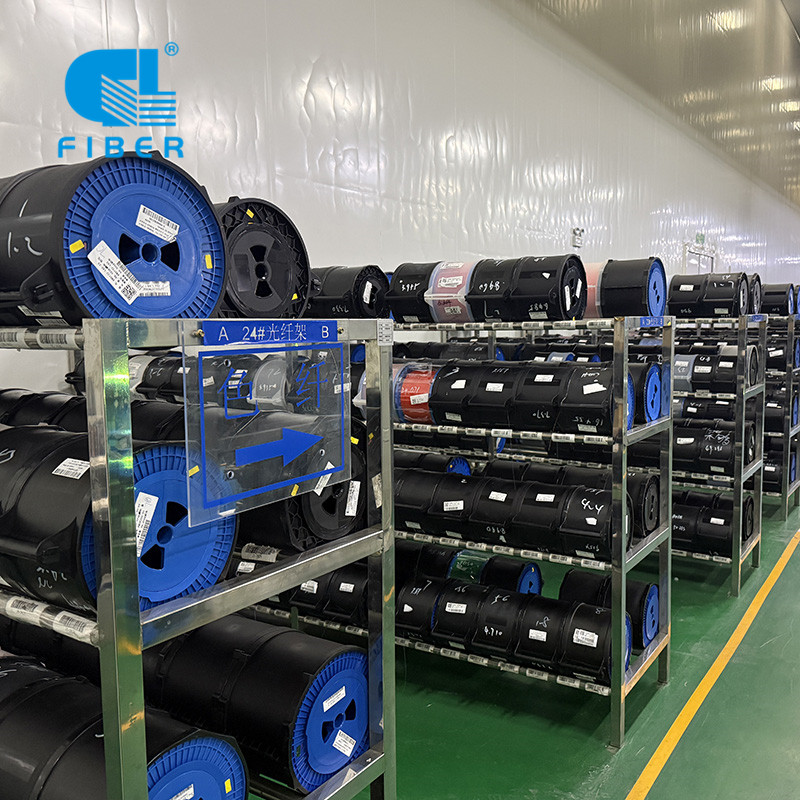
Proven Manufacturing Leadership: With 21 years as a dedicated source factory in China, our expertise permeates every production phase. We control the process from raw material fiber to finished product, guaranteeing consistency. Our industrial capacity of 20,000 KM per day positions us to fulfill the largest global orders reliably.
Tailored Fiber Solutions: We go beyond standard offerings. GL FIBER provides extensive customization to meet your exact specifications, including cable diameter, reel/axis length, fiber color, specialized packaging, and direct logo printing for brand consistency.
Quality as a Standard: Our commitment to excellence ensures that every kilometer of our single mode fiber adheres to the highest international benchmarks, providing the low loss and high reliability that modern networks demand.
Making the Strategic Choice
Your selection between G.652.D, G.657.A1, and G.657.A2 should be guided by installation environment, density requirements, and long-term network strategy. While G.652.D remains essential for core networks, the G.657.A family is key to conquering the "last meter" challenges of contemporary connectivity.
For a partner that combines unparalleled scale with customized single mode fiber solutions, look to GL FIBER. Let our expertise and manufacturing prowess provide the foundation for your network's success. Contact us to discuss your specific requirements.



 ADSS Fiber Optic Cable
 OPGW Optical Ground Wire
 Bare Conductor
 Communication Optical Fibre
 Polarization-maintaining Fiber
 Aerial Fiber Cable
 Duct Fiber Cable
 Direct Buried Fiber Cable
 FTTH Drop Cable
 Air Blown Micro Cable
 Armored Fiber Optic Cable
 High Density Ribbon cable
 Biologically Protective Cable
 FTTX Tactical Cable
 Indoor Fiber Optic Cable
 Hybrid Fiber Optic Cable
 Fiber Optic Assemblies
 Company Profile
 Development History
 Qualification Honor
 Company Videos
 Exhibiting Overseas
 Our Solution