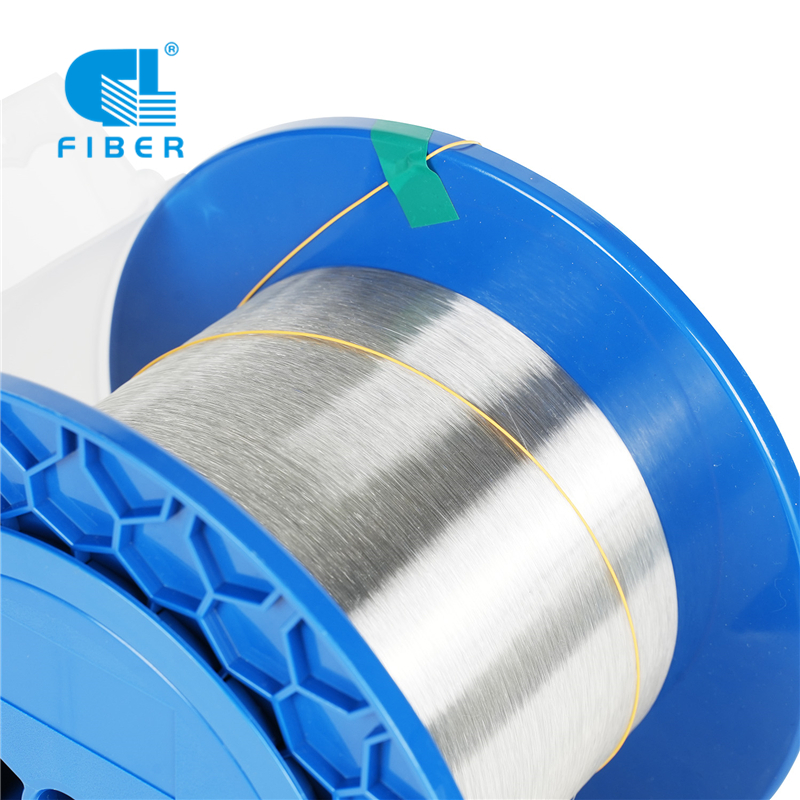
If you are sourcing optical fiber or bare fiber for FPV drone applications, you have likely noticed: the market is moving fast. As of May 2026,
G657A2 fiber is trading at approximately $27/km from source factories—but with supply tight, counterfeit and substandard products are becoming increasingly common.
For procurement professionals searching for optic fiber,
FPV fiber, or G657A2 fiber for drone programs, knowing how to authenticate quality is just as important as finding supply. This article provides a practical guide to avoiding fake or low-quality bare optical fiber.
📊 Current Price: G657A2 at $27/km
As of May 2026, G657A2 fiber is priced at $27/km from source factories. For context:
-
G.652.D (Standard): 40–40–50/km — up 140% from late 2025
-
G.657.A1: 50–50–55/km — elevated from late 2025
-
G.657.A2: 27–27–33/km — up 440–560% from late 2025
Industry reports confirm some suppliers quote up to $33/km for spot purchases. Lead times have extended from 8–12 weeks to 20+ weeks, and quotes often expire within 24 hours.
🛡️ How to Avoid Fake or Low-Quality G657A2 Bare Fiber
With prices surging and supply tight, counterfeit bare optical fiber has entered the market. Here is how to protect your procurement:
✅ 1. Verify Bending Performance (Macrobend Loss)
Why it matters: G657A2's defining characteristic is superior bend resistance. Fake products often fail this test.
What to check:
-
Bend loss at 7.5mm radius: ≤0.5dB (at 1550nm/1625nm)
-
Always request the test report before shipment
✅ 2. Verify Attenuation Coefficient
What to check (per ITU-T G.657.A2 standard):
-
At 1310nm: ≤0.36dB/km
-
At 1550nm: ≤0.22dB/km
-
Red flag: Quotes that cannot provide batch-specific attenuation test data.
✅ 3. Verify Coating Diameter
What to check:
-
Cladding diameter: 125±1μm
-
Coating diameter: 245±15μm (the "0.25mm fiber" specification)
-
Core-cladding concentricity error: ≤0.5μm
-
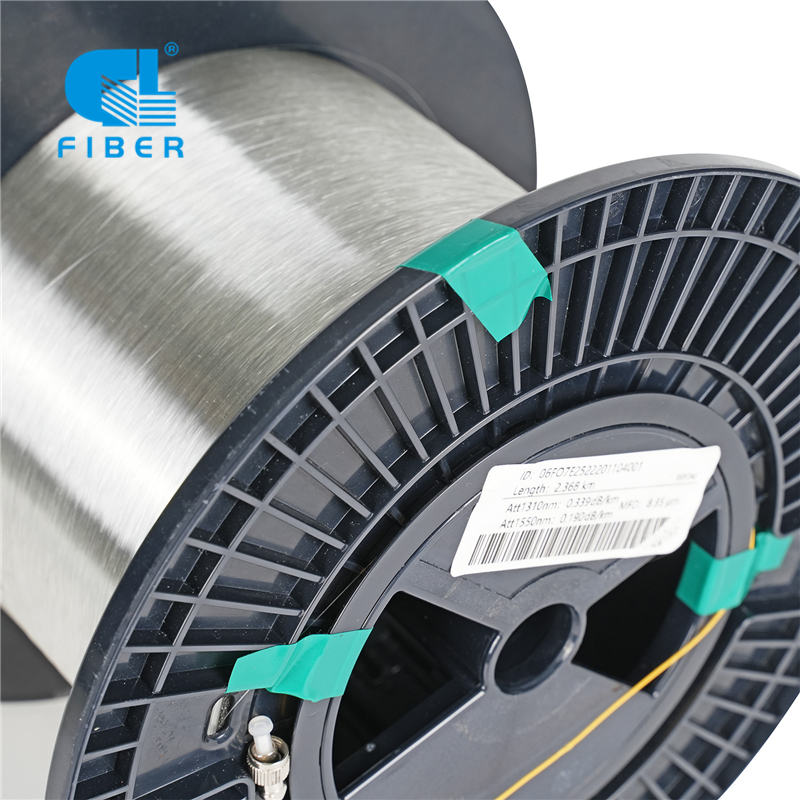
Inferior products often have inconsistent coating diameter, leading to winding problems on fiber optic spools.
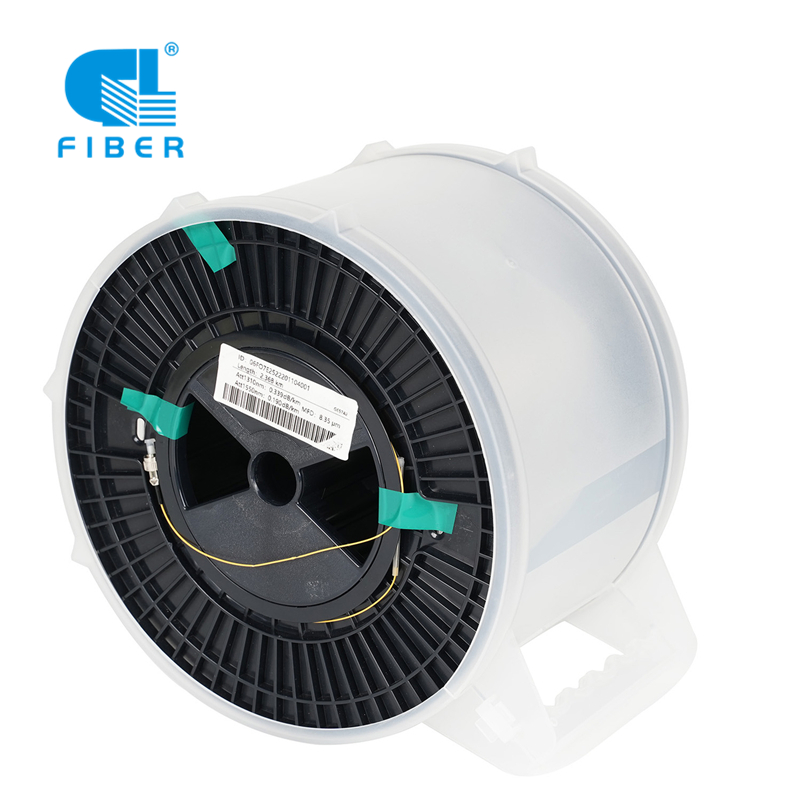
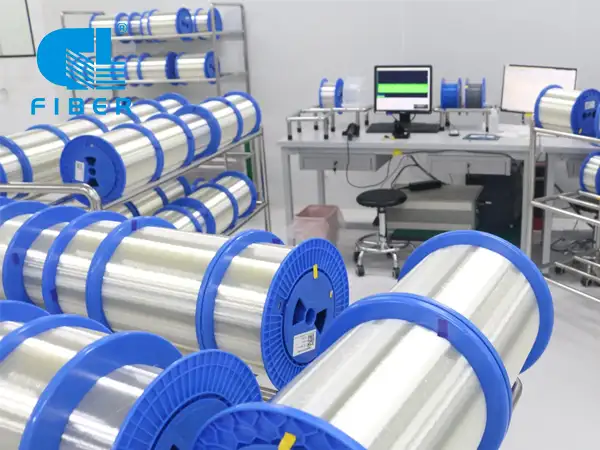
✅ 4. Verify Spool Quality & Winding Tension
What to check:
-
Consistent winding tension to prevent fiber damage
-
Undamaged spool flanges
-
Practical tip: Ask for a video of the fiber paying off the spool at operational speed.
✅ 5. Verify Traceability & Factory Direct Sourcing
What to check:
-
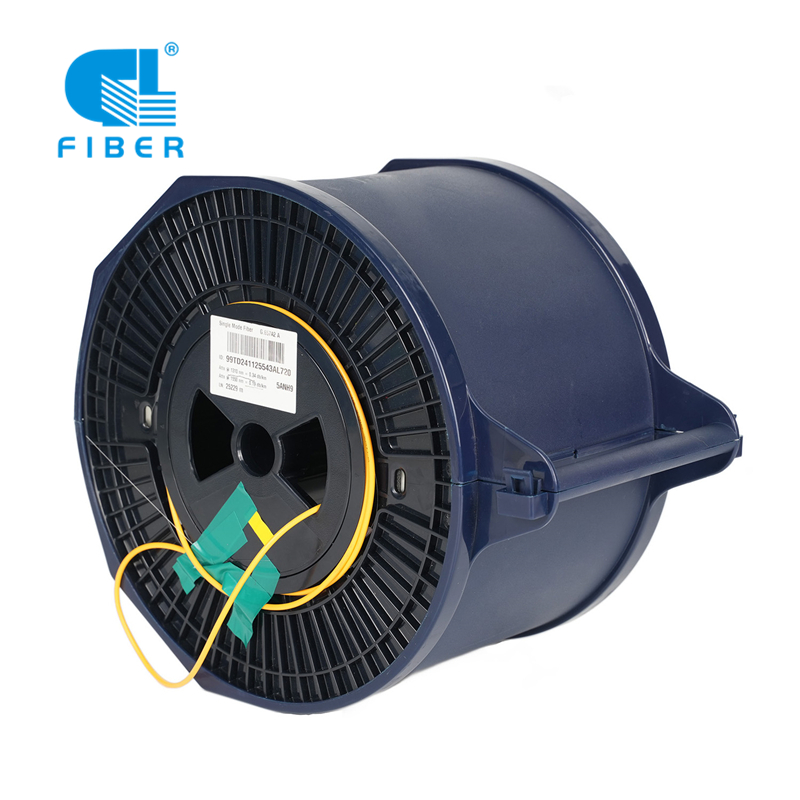
Batch numbers: Every spool should have a unique, traceable batch number
-
Factory audit capability: Legitimate suppliers can provide factory visit arrangements
-
m Requests for 100% upfront payment without established relationship
✅ 6. Verify Proof Test Strength
What to check:
-
Minimum proof test level: 100 kpsi (0.69 GPa) for G657A2
-
Practical note: Lower-grade fibers tested to only 50 kpsi will fail during FPV drone payout.
🎯 Strategic Procurement Advice
Lock in long-term capacity – Just-in-time purchasing is risky with 20+ week lead times
Partner with source factories, not traders – Factories prioritize direct clients and provide full traceability
Red flags (warning signs):
-
Pricing significantly below market (15−18/kmwhenmarketis15−18/kmwhenmarketis27-33/km)
-
"Today-only" pressure tactics with no verifiable inventory
-
Inability to provide factory visits or video calls
-
Requests for 100% upfront payment without established relationship
✅ Conclusion
With
G657A2 fiber at $27/km and supply tight, counterfeit products are a growing risk. Always verify bending performance, attenuation, coating diameter, and traceability before purchasing.
Whether you need optical fiber for telecom, optic fiber for R&D, or FPV fiber for drone programs, quality verification is your best defense.



 ADSS Fiber Optic Cable
 OPGW Optical Ground Wire
 Bare Conductor
 Communication Optical Fibre
 Polarization-maintaining Fiber
 Aerial Fiber Cable
 Duct Fiber Cable
 Direct Buried Fiber Cable
 FTTH Drop Cable
 Air Blown Micro Cable
 Armored Fiber Optic Cable
 High Density Ribbon cable
 Biologically Protective Cable
 FTTX Tactical Cable
 Indoor Fiber Optic Cable
 Hybrid Fiber Optic Cable
 Fiber Optic Assemblies
 Company Profile
 Development History
 Qualification Honor
 Company Videos
 Exhibiting Overseas
 Our Solution