If you are sourcing
bare optical fiber for FPV drone applications or drone optical fiber for defense programs, you have likely encountered an unprecedented situation: G657A2 fiber is sold out globally, lead times extend into 2027, and prices have surged beyond all historical benchmarks.
This is not a temporary disruption. It is a structural supply-demand crisis driven by the convergence of AI infrastructure and military drone demand. This article analyzes the root causes, provides current market intelligence, and offers practical procurement advice from GL FIBER.
📊 The Numbers: A Market in Crisis
The scale of the shortage is staggering:
G.657.A2 price surge: From 32 RMB/core-km in early 2025 to 240 RMB/core-km by mid-2026—a 650% increase
Global G.657 demand (2026): Estimated at 370 million core-km, but Chinese factory effective capacity is only 200-210 million core-km—a 46% shortage rate
Supply-demand gap: 180 million core-km in 2026, widening to 15% by 2027
🔍 Root Cause #1: AI Data Centers Are Consuming Fiber at Unprecedented Rates
The primary demand driver is the global AI infrastructure build-out. As one expert put it: "Previously, fiber was laid to every home. Now, it is laid next to every GPU card."
Key data:
2025 global data center fiber demand: 69.6 million core-km (+75.9% YoY)
2026 projected demand: Over 100 million core-km
AI-driven fiber demand share: Expected to grow from under 5% (2024) to 35% by 2027
Why AI data centers need so much fiber: Traditional data centers use a 3:1 convergence architecture, sharing uplinks among multiple servers. AI data centers handling GPU-to-GPU "east-west" traffic require 1:1 non-blocking architecture—every GPU needs its own dedicated high-speed fiber channel. A single NVIDIA DGX server requires up to 32 fiber connections internally, making fiber consumption 5-10 times higher than traditional data centers.
🔍 Root Cause #2: Drone Demand Is Absorbing Significant Capacity
The FPV drone revolution has created a new, massive demand source for
0.25mm bare fiber:
Russia's 2026 drone production: Estimated at 4 to 5 million units
Each drone mission: Consumes 10 to 40 kilometers of specialized fiber
Drone fiber demand share: Currently 10-20% of global fiber demand
Critical difference from AI demand: Drone fiber is a consumable, not infrastructure. Once deployed, the fiber is never recovered—each mission permanently removes fiber from circulation. Russia's 2025 purchases alone reached 60 million kilometers, and its domestic production facility was destroyed in 2025, making it 100% dependent on imports.
🔍 Root Cause #3: The Preform Bottleneck
-
The root cause of the shortage lies upstream: optical fiber preforms.
-
Preforms account for approximately 70% of fiber production costs
-
Expanding preform capacity requires 18 to 24 months and massive capital investment
-
A 3,500-ton capacity preform factory requires 4 billion RMB investment and 2 years construction
-
Current preform capacity utilization in China: 84.3% — near full load
Why capacity can't expand quickly: Major manufacturers are hesitant to invest in new capacity due to memories of the 2019 price crash. Even under extreme conditions, capacity can be expanded by only 10-15% through process optimization alone.
📈 Current Pricing: What You Should Expect to Pay?
Fiber Type
Current Market Price
Year-over-Year Change
G.657.A2 (0.25mm)
$28–35/km
+650%
G.657.A1
$17–20/km
+400%
G.652.D
$12–17/km
+380–550%
Important: Major manufacturers have orders booked through Q1 2027. Some companies now require advance payment before shipment—a complete reversal of traditional trade terms.
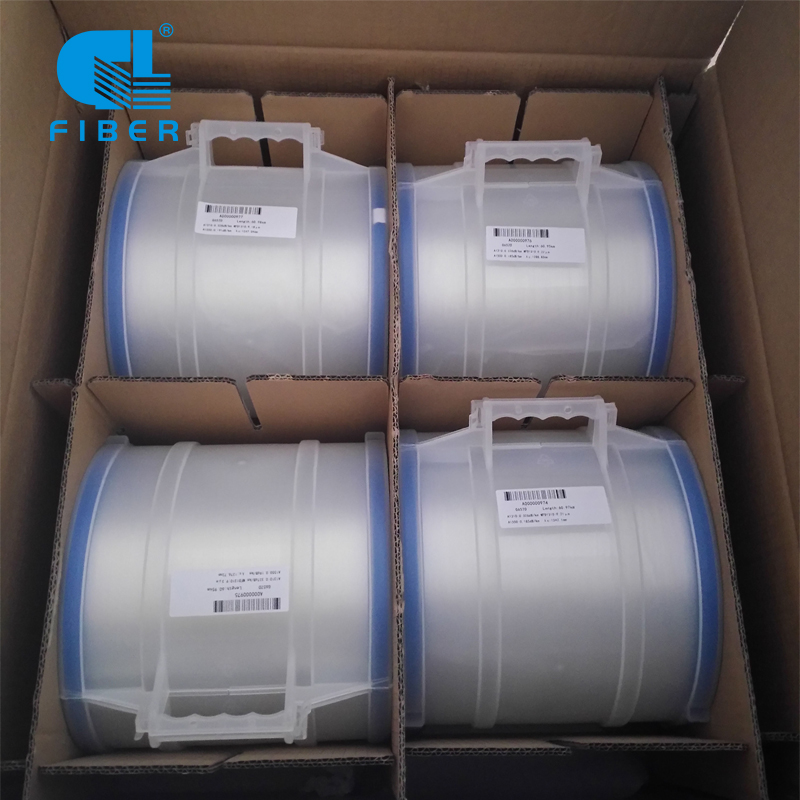
🛒 Procurement Advice: How to Buy G657A2 Fiber Correctly
1. Understand the A1 vs. A2 Difference
G.657.A1 and G.657.A2 look nearly identical, but their performance differs significantly:
-
Parameter G.657.A1 G.657.A2 (Genuine)
-
Min. Bend Radius 10 mm 7.5 mm
-
Macrobending Loss (1550nm, 15mm radius) ≤ 0.25 dB ≤ 0.03 dB
-
Suitability for FPV Drones Fails in dynamic deployment Engineered for drones
-
The risk: Buying A1 labeled as A2 means the fiber exceeds its bend limit during spooling or deployment. Signal attenuation spikes—and the drone loses connection mid-flight.
2. Verify What You Are Buying
✅ Demand batch-specific macrobending loss test reports – Do not accept "typical values"
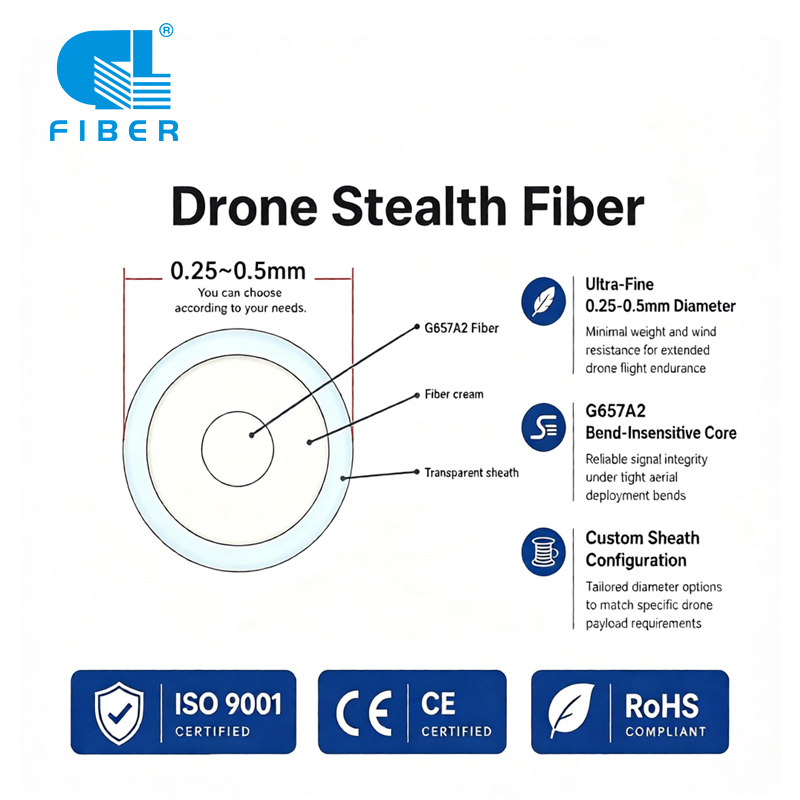
✅ Verify coating diameter – 0.25mm (245±10 μm) is standard for drone applications
✅ Check ITU-T compliance – Genuine G.657.A2 comes with ITU-T G.657.A2 certification matching your shipment's batch number
3. Watch for Warning Signs
🚩 Pricing significantly below $28/km – Likely A1 or substandard fiber
🚩 "No documentation available" – Legitimate manufacturers provide full traceability
🚩 100% upfront payment to unknown suppliers – High fraud risk
🚩 Inability to arrange factory visits or video calls – Real manufacturers welcome transparency
4. Secure Your Supply Chain Now
With orders booked through Q1 2027 at major manufacturers, the time to secure your fiber optic spool needs is now:
-
Lock in long-term capacity – Long-term contracts are the only reliable way to secure supply
-
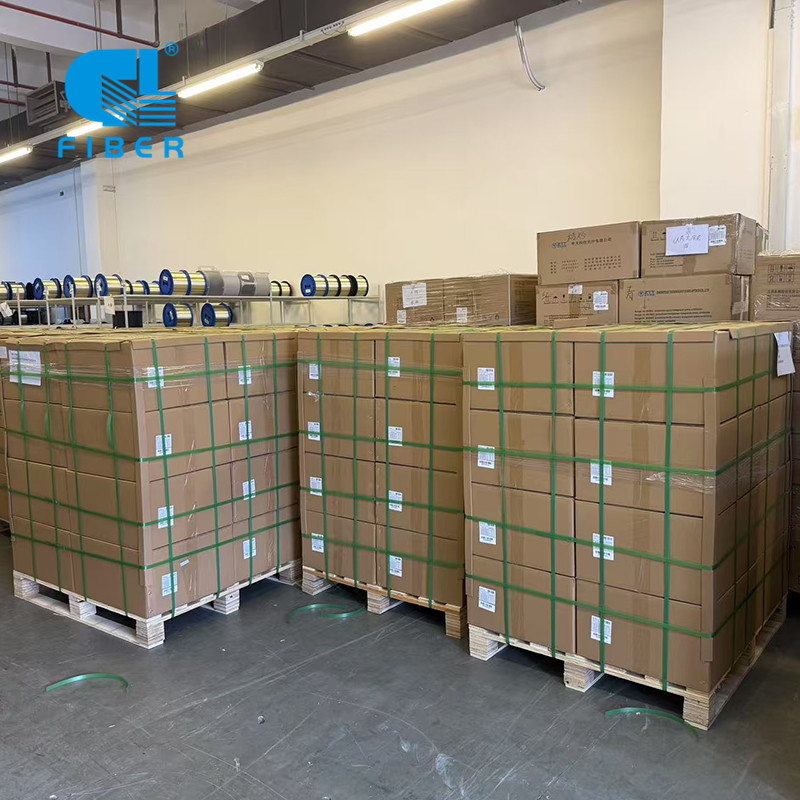
Partner with source factories – GL FIBER controls its own preform and drawing capacity
-
Plan for extended lead times – Current lead times have extended from 8-12 weeks to 20+ weeks
✅ Why GL FIBER?
With 22+ years of experience,
GL FIBER is a trusted source factory for G657A2 bare fiber:
-
ISO9001, ISO14001, OHSMS18001 certified
-
Full process control – from preform to finished spool
-
Batch-specific test reports for every shipment
-
Complete transparency – factory visits and video calls always welcome
-
Serving 200+ countries and regions
📞 Contact GL FIBER Today
Don't risk your FPV drone mission on substandard fiber. Partner with a trusted manufacturer who stands behind every drone optical fiber spool we ship.
Let GL FIBER shine all over the world. Light the world, one connection at a time. 🌍



 ADSS Fiber Optic Cable
 OPGW Optical Ground Wire
 Bare Conductor
 Communication Optical Fibre
 Polarization-maintaining Fiber
 Aerial Fiber Cable
 Duct Fiber Cable
 Direct Buried Fiber Cable
 FTTH Drop Cable
 Air Blown Micro Cable
 Armored Fiber Optic Cable
 High Density Ribbon cable
 Biologically Protective Cable
 FTTX Tactical Cable
 Indoor Fiber Optic Cable
 Hybrid Fiber Optic Cable
 Fiber Optic Assemblies
 Company Profile
 Development History
 Qualification Honor
 Company Videos
 Exhibiting Overseas
 Our Solution